


 What’s really behind Australia’s falling pet adoption rates?
Read more
What’s really behind Australia’s falling pet adoption rates?
Read more

Reduced fee and fee-waived adoption events have been a bit of a hot topic in the rescue sector for a while now. Some organisations swear by them. Others are hesitant, worried about what it says about the value of the pets in their care, or whether it's even financially viable. Both reactions make complete sense.
The Mornington Peninsula Community Animal Shelter dropped their cat adoption fees, opened their doors, and got more pets into loving homes. It worked so well, they're doing it for an entire month! PetRescue spoke with Melina Vlastou, Senior Officer at the Mornington Peninsula Community Animal Shelter, to find out how it all works.
If you're a rescue organisation that has ever wondered whether something like this could work for you, read on.
In this article:
About the Mornington Peninsula Community Animal Shelter
What was happening at the shelter
So what did they do?
Does a lower fee mean a lower bar?
The pets who benefit most
Working alongside rescue organisations
How did the community respond?
Find available cats at Mornington Peninsula
Thinking about trying it yourself?
About the Mornington Peninsula Community Animal Shelter
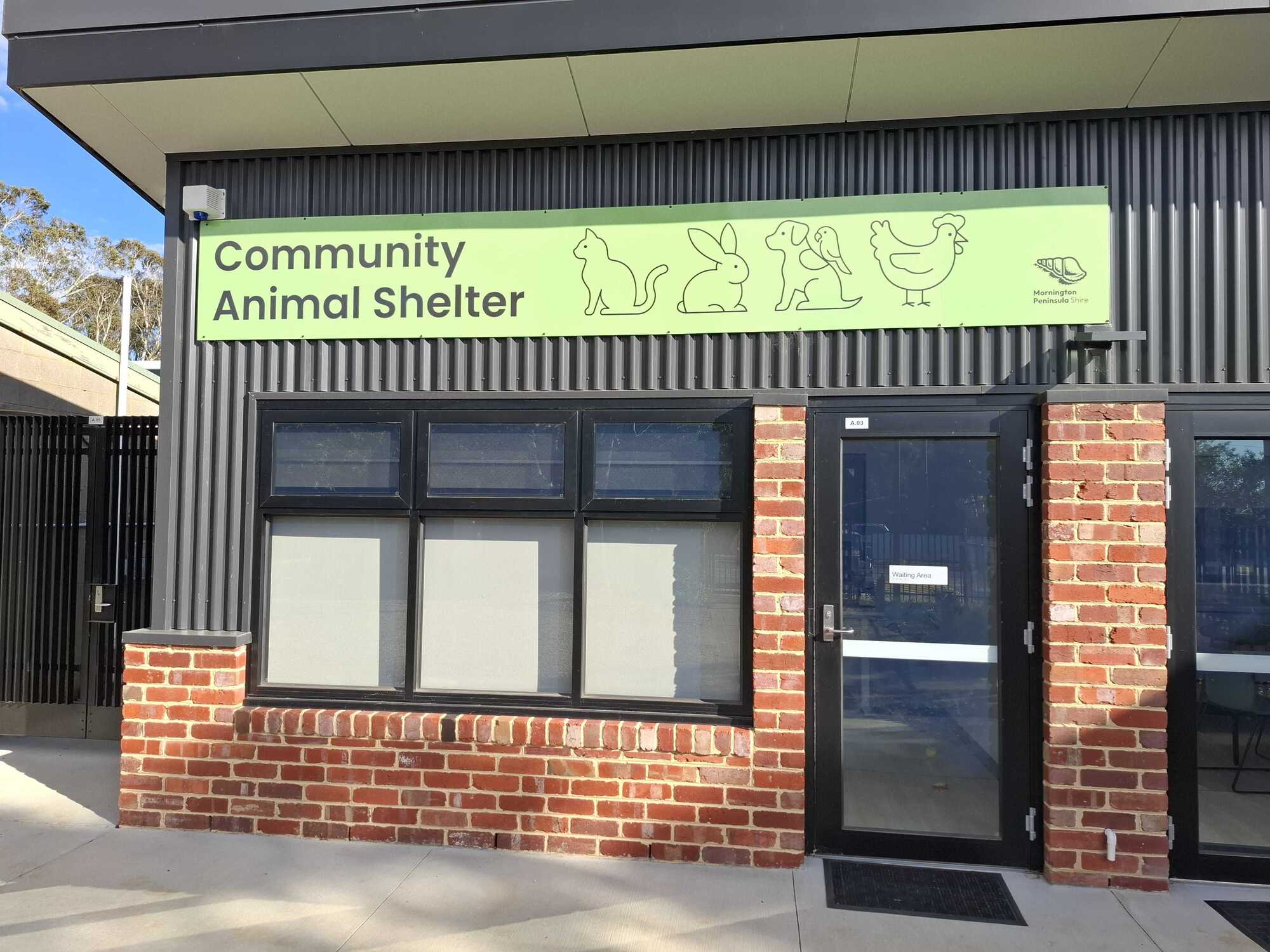
The Mornington Peninsula Community Animal Shelter is a council-run facility on Victoria's Mornington Peninsula that takes its role in the community seriously. After completing a major redevelopment, the shelter reopened in November with expanded capacity and a fresh commitment to doing even more for the pets and people in their area.
Beyond adoptions, the shelter runs a free desexing initiative for seniors, offers free microchipping for seniors, and is actively expanding that program to other concession card holders. A strong student program also runs alongside the team, with vet and animal care students gaining hands-on experience while helping care for the pets in residence. It's a shelter that genuinely shows up for its community, not just for the pets in its care.
What was happening at the shelter
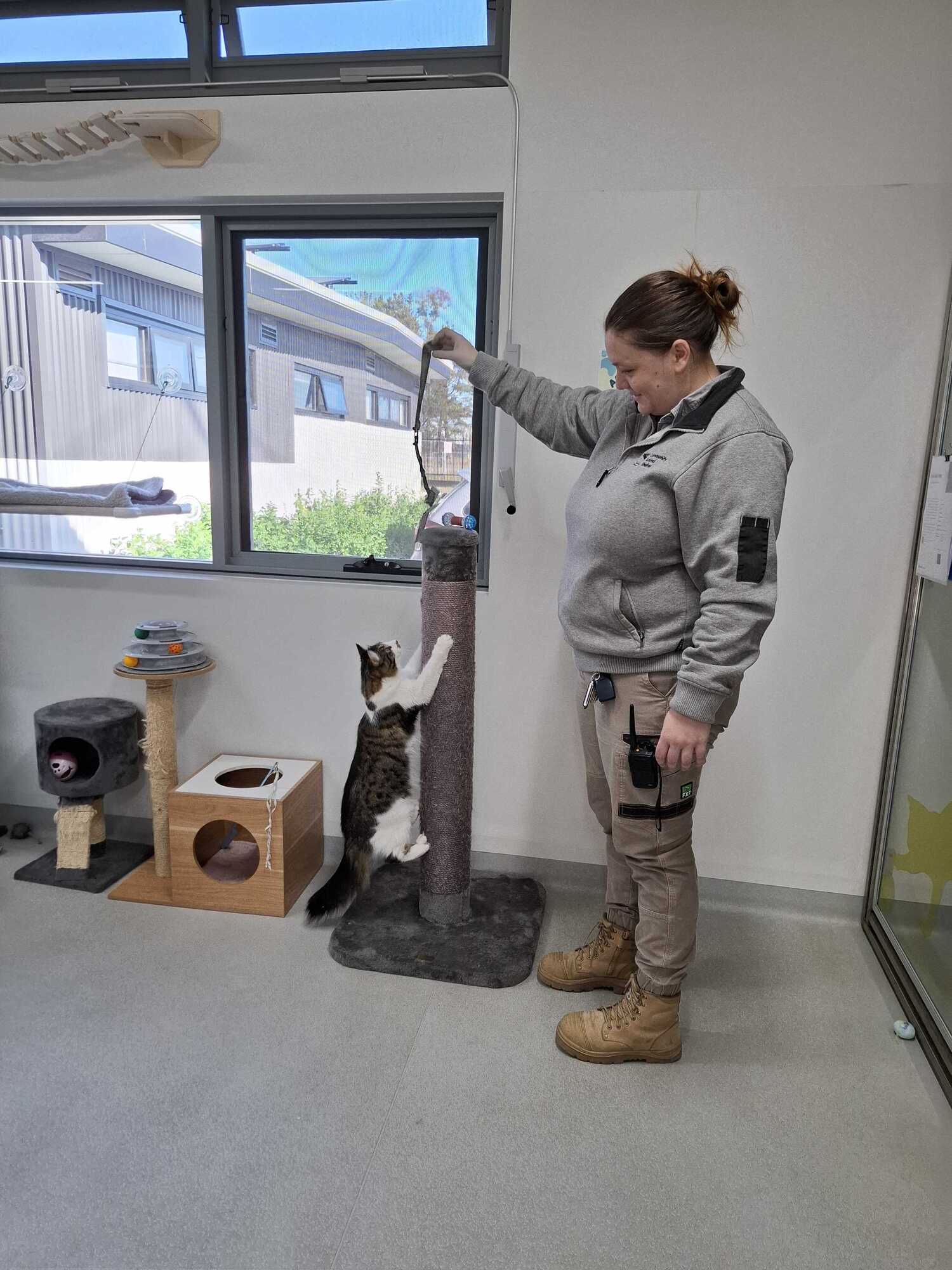
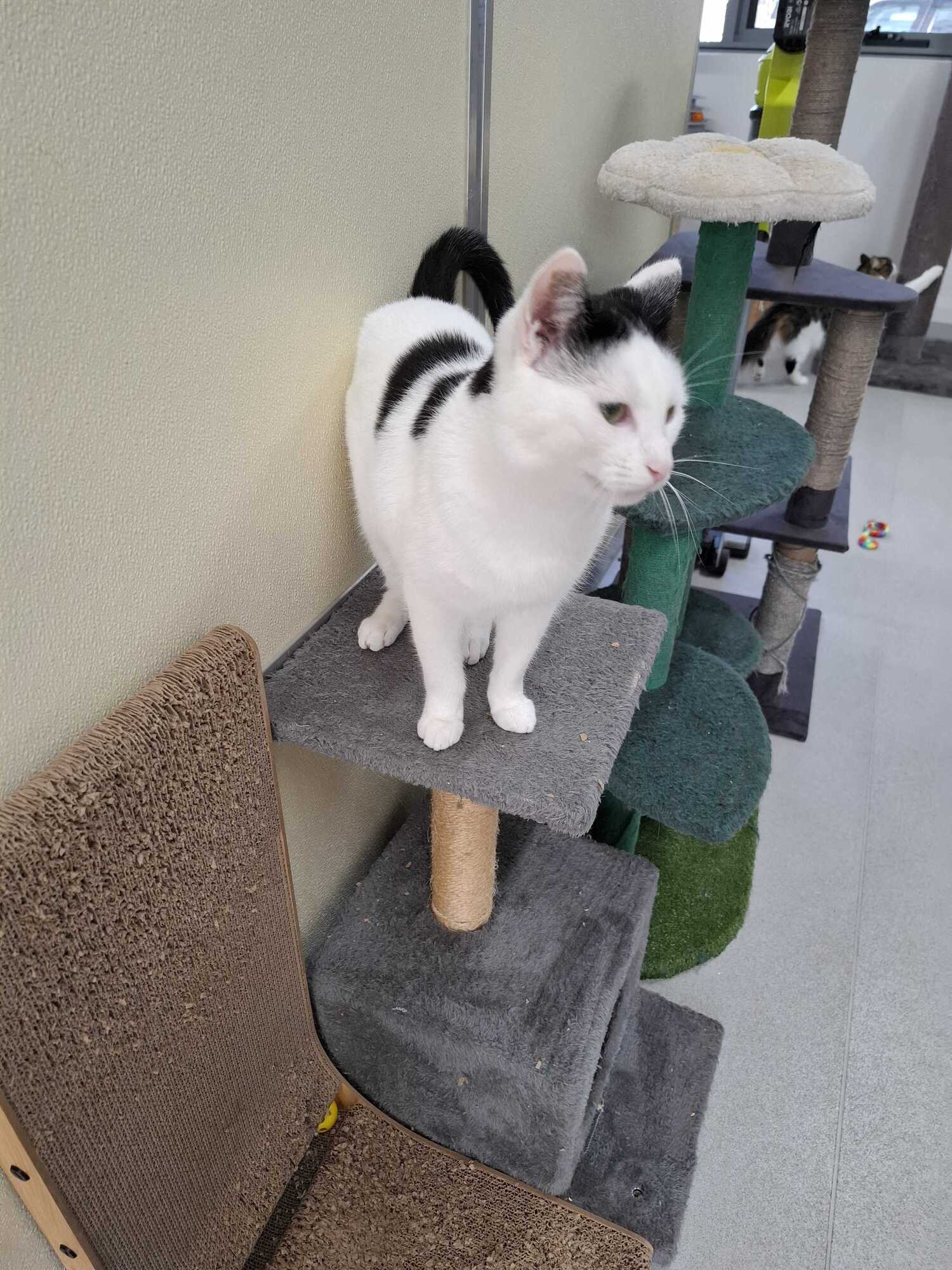
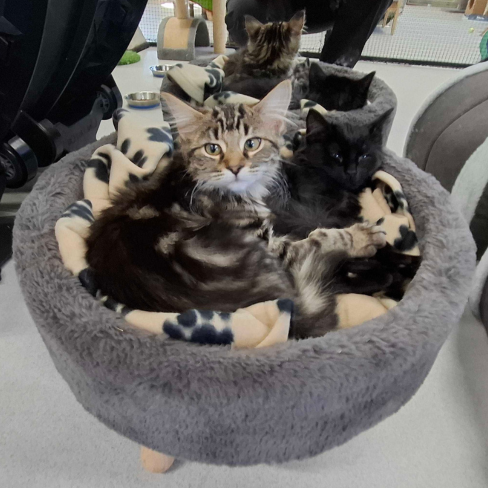
Kitten season was still going strong, and the shelter was busy. Really busy. With over 60 cat pens, some housing six or seven kittens at once, new arrivals were coming in every single day. Mums with litters. Solo kittens. Older cats who had been there for months. And rescue organisations, who would usually help absorb some of that intake were stretched thin themselves.
"Kitten season still hasn't finished."
Melina says, "All the bubs that are coming in are still quite small, so I expect it to actually be going on for quite a long time."
The surrender waitlist kept growing. People were calling daily, some from well outside the council area, all needing somewhere safe for their pets to land.
It's a situation a lot of organisations will recognise, regardless of size or funding. That constant pressure of pets coming in, capacity filling up, and the very real weight of knowing there are more pets waiting. The shelter is committed to avoiding euthanasia for space, and events like this are one of the ways they actively work to honour that commitment.
So what did they do?
It started by trialling a shorter version of the event over a single weekend. The result was around eight cats and kittens found homes. It worked, so they decided to go bigger and give it the whole month.
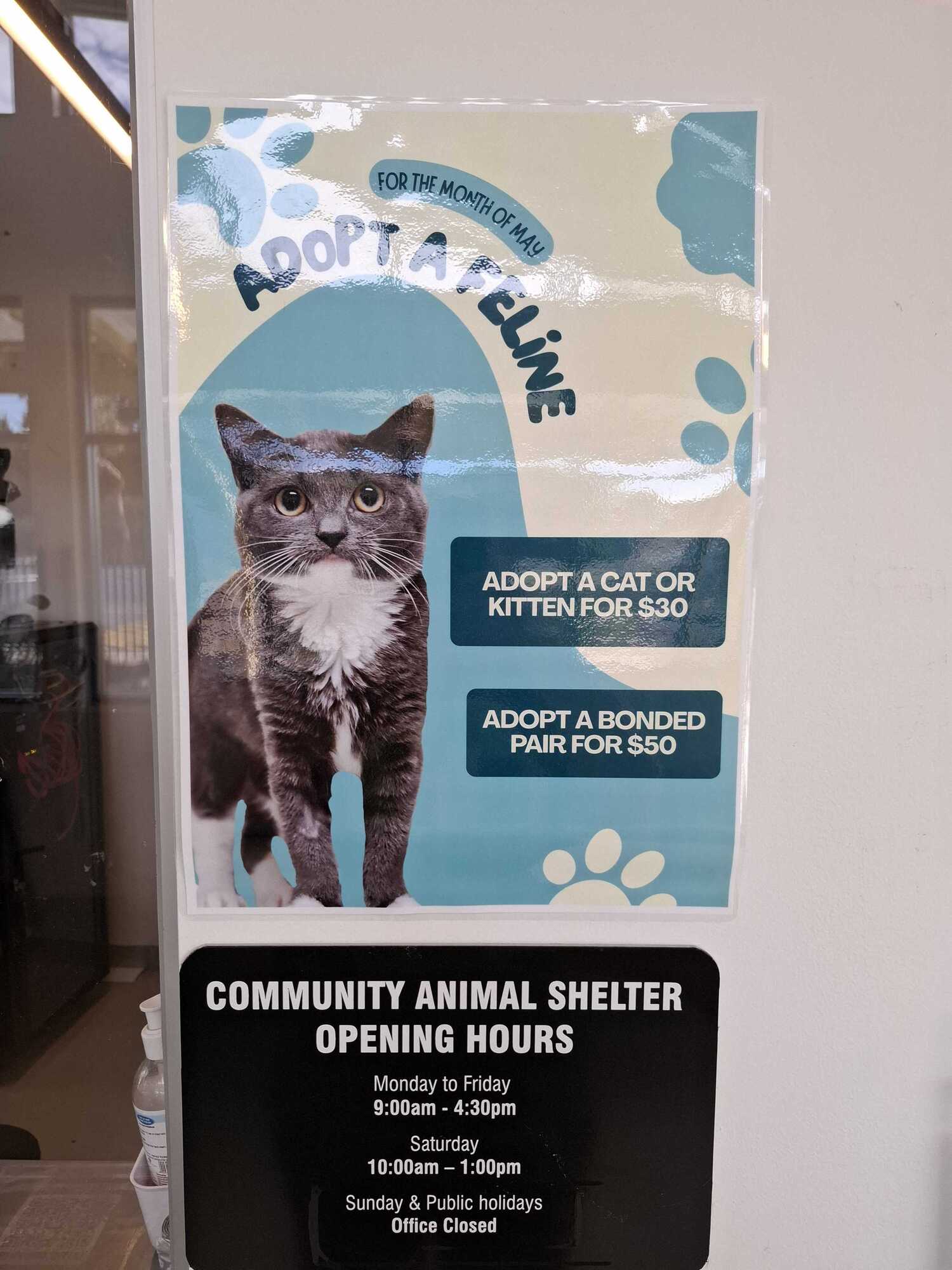
So for the whole month of May 2026, the shelter dropped adoption fees to just $30 for individual cats and kittens, and $50 for bonded pairs. Mornington Peninsula residents also got free pet registration for the first year free first-year registration thrown in as a bonus.
Simple as that, really.
Does a lower fee mean rescue pets are worth less?
This is the big one, and it comes up every single time an event like this is announced. Usually in the comments section. Usually, with some variation of "people won't value them if they're cheap."
It's an understandable concern, and it comes from a genuine place of caring about pets. But the evidence just doesn't support it. Research shows that pets adopted for free or at a reduced fee are just as loved, just as valued, and no more likely to be returned than those adopted at full price.
And at Mornington Peninsula, the adoption process stayed exactly the same throughout the event. Every application was still reviewed carefully by the team, who know each pet's personality and needs inside out. Melina is clear on this: "We look at it as a team. We know what the cat needs, and we go based on what the best person is for that cat." High interest in a particular kitten? All the applications go side by side, and the best match wins, not the first person through the door. Older cat with specific needs? Multiple meet-and-greets before anything is finalised. No shortcuts, no compromises.
Nothing about the process changes.
The only thing that changes is the number on the receipt.
The reduced fee is simply a nudge. A way of saying to someone who was already thinking about adopting, now is a great time to do it. And whatever they save on the adoption fee can go straight into setting their new cat up at home.
The pets who benefit most
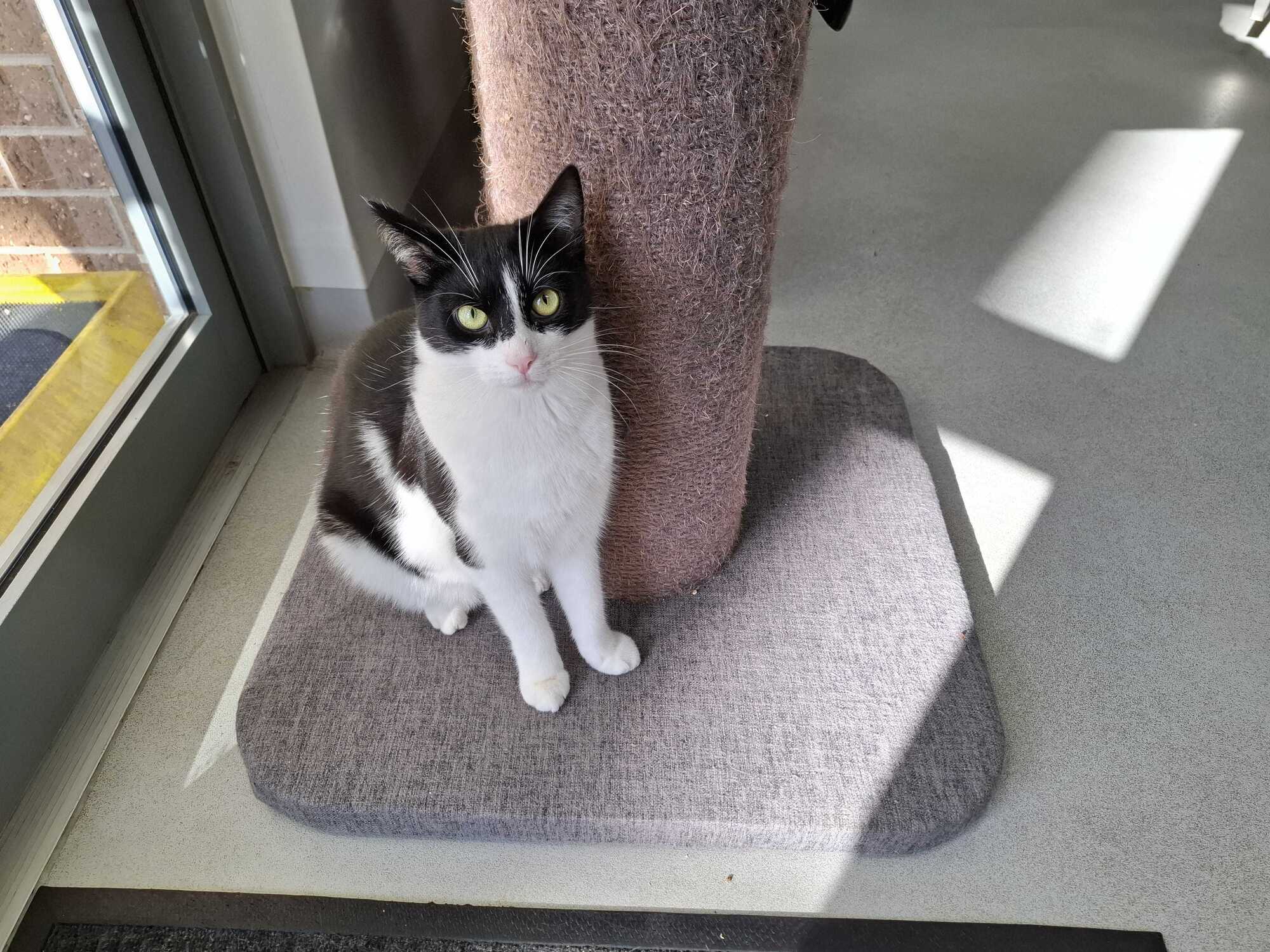
Reduced fee events lift all boats, but they make the biggest difference for the pets who tend to get overlooked in the normal run of things.
The mums who poured everything into raising their litters, only to be overlooked . The senior cats who have been at the shelter for months, who have slowly come out of their shells and are more than ready for a home to call their own. The bonded pairs who can only go together and need someone able to take them both.
A well-promoted adoption event gives these pets a moment in the spotlight they might not otherwise get. And that alone is worth it.
Working alongside rescue organisations
One question that comes up for shelters considering this kind of event is whether it creates tension with nearby rescue organisations. Will they see it as competition?
In Mornington Peninsula's experience, no. The shelter has a genuinely collaborative relationship with the rescue groups it works alongside. When rescues have capacity, the shelter passes pets across and covers microchipping and vaccinations to help out. In return, rescue organisations help manage the intake that the shelter couldn't handle on its own. It's a two-way street built on trust.
At the end of the day, everyone is working toward the same thing: getting pets into loving homes.
When that foundation is already there, a well-run adoption event is something everyone can get behind.
How did the community respond?
As with most things, any noise tended to show up on social media rather than face-to-face, and the best response to that is always the same: let the outcomes speak for themselves. Melina says,
“Really well, in person. The people who came in or called with genuine interest had nothing but good things to say. The people who show up are the ones who matter most, and they showed up with open hearts.”
For organisations with management who are nervous about community reaction, that's genuinely reassuring to know.
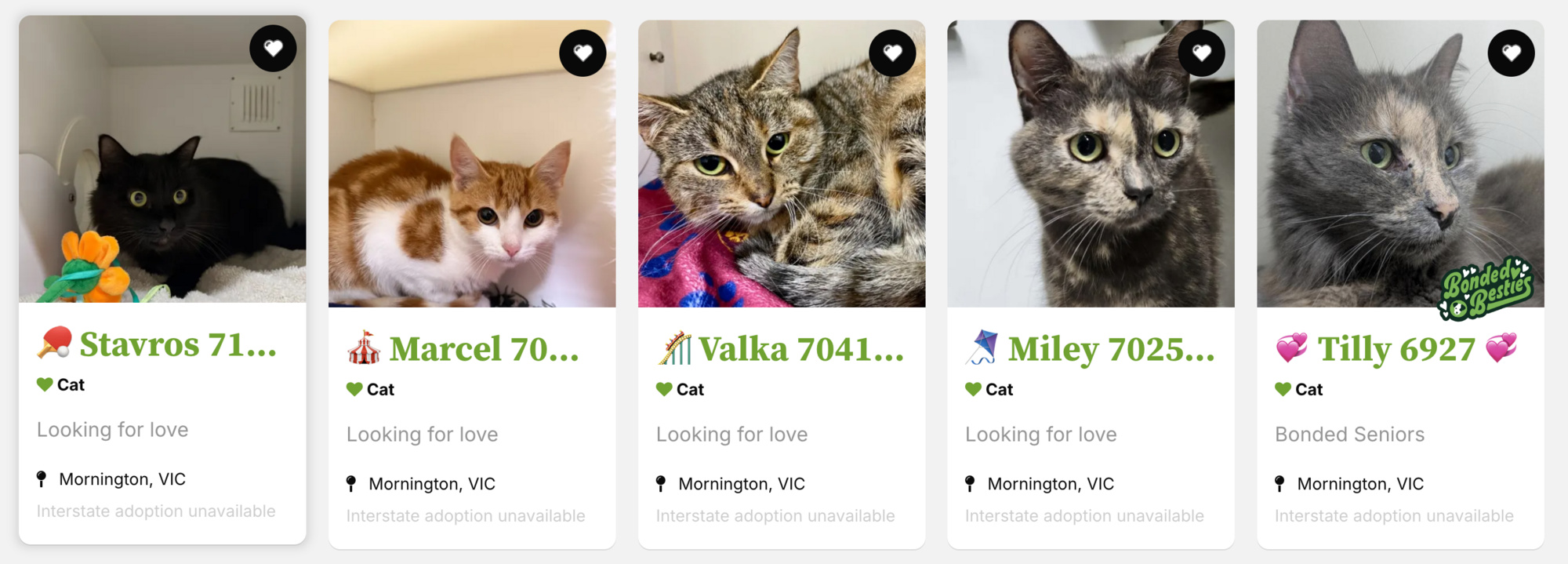
Find available cats at Mornington Peninsula
If this has sparked something, there are some pretty wonderful cats at the Mornington Peninsula Community Animal Shelter who are looking for a loving home right now. Head to PetRescue to browse who's available, or pop in to the shelter in person between 10am and 3pm.
📍 Mornington Peninsula Community Animal Shelter
🐱 Find more available cats on PetRescue

Thinking about trying it yourself?
Reduced fee and fee-waived adoption events aren't a magic fix, and they're not the right move for every organisation in every season. But for rescues and shelters with pets who have been waiting longer than they should, they're a practical, proven tool that's worth considering.
Start small if you need to. A single weekend. A targeted group of pets who have been waiting the longest. A clear, honest promotion that explains the why behind it. You don't have to go all in on day one to see whether it works for you.
The financial reality for smaller rescues
Unlike council-run facilities, most rescues rely heavily on adoption fees to keep things running. Vet bills, food, foster support, microchipping, it all adds up, and adoption fees are often what makes it possible to keep going. So the idea of reducing or waiving those fees can feel daunting.
But it is worth sitting down and running the numbers. Because every pet that stays in care longer than necessary has a cost attached to them too. Food, vet care, foster support, the longer a pet waits, the more that adds up. So getting a pet into a home sooner at a reduced adoption fee can often outweigh the ongoing cost of care.
Making the case to whoever needs convincing
Whether you're pitching the idea to a council manager, a board, or a small group of dedicated volunteers, the case for reduced fee adoptions is worth making and it's easier than you might think.
The key is to frame it around outcomes rather than income. A reduced fee isn't giving something away. It's a deliberate, targeted tool to move pets into homes faster, free up space, and reduce the ongoing cost of care.
Eight pets out of care. Eight spaces freed up for the next pets waiting to come in. Eight families with a new best friend.
That's the story worth telling in the room.
Images: Mornington Peninsula Community Animal Shelter


