


 Find pets needing foster care near you
Read more
Find pets needing foster care near you
Read more

Thinking about becoming a pet foster carer? You might be surprised by just how much good can come from opening your home to a rescue pet - even for a little while.
Foster care can help a pet feel safer and improve their welfare while they wait for their next chapter. It gives you the chance to get to know their personality, quirks and needs, helping them find the right people the first time around and potentially speeding up their adoption journey.
It also gives rescue organisations something incredibly valuable: capacity.
A foster home means a pet can be cared for in a home environment rather than in a confined shelter environment. Foster carers can capture the beautiful, everyday moments that show what a pet is really like - helping rescue organisations create adoption profiles that show pets as they are in normal life, not in a shelter.
And every foster space creates room for another pet who has nowhere else to go.
What is pet foster care?
Pet foster care means providing a temporary home for a rescue pet while they wait to find their new family.
Instead of staying in a shelter or kennel, foster pets live in a real home where they can relax, learn household routines, build confidence and receive plenty of love and care.
Some pets only need a foster home for a few weeks. Others may stay a little longer while they rehabilitate or recover from illness, grow big enough for adoption or wait for their perfect match.
No matter how long they're with you, every day in foster care gives them a better chance at finding a happy future.
Why is foster care so important?
Foster carers are a vital part of the rescue community, and their impact goes well beyond giving a pet somewhere to sleep.
For pets, foster care can mean:
-
Better welfare: living in a home environment can reduce the stress associated with shelter environments and give pets more opportunities for rest, enrichment, exercise and individual attention.
-
Getting to know who they really are: foster carers see how a pet behaves in everyday life, from their favourite sleeping spot to how they respond to visitors, other pets, walks and play.
-
A better match with adopters: these real-life insights help rescue organisations create a clearer picture of each pet and match them with people whose lifestyle and expectations are a good fit.
-
A stronger adoption profile: photos and videos of a pet relaxing on the couch, enjoying a walk or playing with a toy can help potential adopters see the personality behind the profile.
-
A faster path to adoption: the more rescue organisations know about a pet, and the better they can show their personality, the easier it can be for the right people to find them.
-
More capacity to help other pets: every foster space can free up capacity within shelters, pounds and rescue organisations to help another pet who needs support.
And that last point is a big one.
Many rescue organisations and shelters have limited capacity. When foster carers aren't available, pets may have to wait longer in confined and stressful environments, and rescue organisations have fewer opportunities to take on other pets who need help.
For some pets, prolonged shelter stays can also mean poorer welfare. Chronic stress, limited space and the challenges of living in a busy shelter environment can affect a pet's physical and emotional wellbeing and may increase the risk of illness.
In areas where shelter capacity is critically limited, a lack of available places can also contribute to healthy, rehomable pets being killed.
Foster care helps change that.
One spare room, one available couch or one temporary place in your home can create capacity where it's needed most.
What kinds of pets need foster care?
Almost every type of pet can need foster care.
You might choose to foster:
- dogs
- puppies
- cats
- kittens
- rabbits
- guinea pigs
- birds
- horses
- or other small pets.
Some foster pets are happy, healthy pets simply waiting for adoption.
Others may be recovering after illness or surgery, raising a litter, adjusting after leaving a council facility or learning to trust people again.
The rescue organisation will match pets with the best foster carers for their needs.
Who can become a foster carer?
The only typical thing about foster carers is their love of pets.
Foster carers come from all walks of life, including:
- retirees with extra time to give
- people working from home
- students who can’t commit to a lifelong pet
- families who want to make a difference
- people without a pet of their own
- experienced pet guardians who have room for another furry friend.
The most important qualities aren't experience; they're a willingness to help, kindness and patience.
If you're unsure whether fostering will suit your lifestyle, many rescue organisations are happy to chat through your circumstances and help you find a suitable match.
How long do foster pets stay?
Every foster journey is different.
Some pets stay for just a couple of days. Others may stay for a week or two, while some remain in care for several months.
Short-term fostering can be a great way to help if you don't have the capacity for a longer commitment. Some foster carers provide emergency or relief care, giving a pet a short break from the shelter or stepping in while their usual foster carer is away for a weekend or a few days.
The length of time a pet stays in foster care can depend on factors such as:
- the foster carer's availability
- the pet's age
- their medical or behavioural needs
- how quickly they're adopted
- the rescue organisation's processes.
Before you commit, the rescue organisation will usually give you an idea of how long the pet is expected to stay.
And if your circumstances change unexpectedly, don't worry. Rescue groups understand that life happens and will work with you to find another solution for the pet.
What costs are involved?
Usually, not much!
In most foster arrangements, you won't be expected to cover the major costs of caring for the pet yourself. Exactly what's provided varies between rescue organisations, shelters and foster programs, so it's always worth asking what's included before you get started.
Depending on the organisation, they may provide things such as:
- food
- veterinary care
- medications
- bedding
- collars, leads or harnesses
- litter
- toys and enrichment supplies.
Some volunteer-run rescue groups may ask foster carers to contribute towards everyday costs such as food, while many shelters and larger organisations provide these supplies directly.
The important thing is to ask what's covered before welcoming your foster pet home, so you know exactly what's expected.
Do I need experience?
Not at all.
Many foster carers are helping a rescue pet for the very first time.
The rescue organisation will guide you through everything you need to know, including feeding, exercise, medication (if needed) and any specific care requirements.
You'll also have experienced people to turn to if you ever have questions.
Can I foster if I already have pets?
Often, yes.
Many foster carers already share their home with other pets.
Your resident pets can even help some foster pets learn how to feel safe and confident in a home environment. A calm, confident resident pet can be a wonderful role model for a foster pet as they learn the ropes of everyday life.
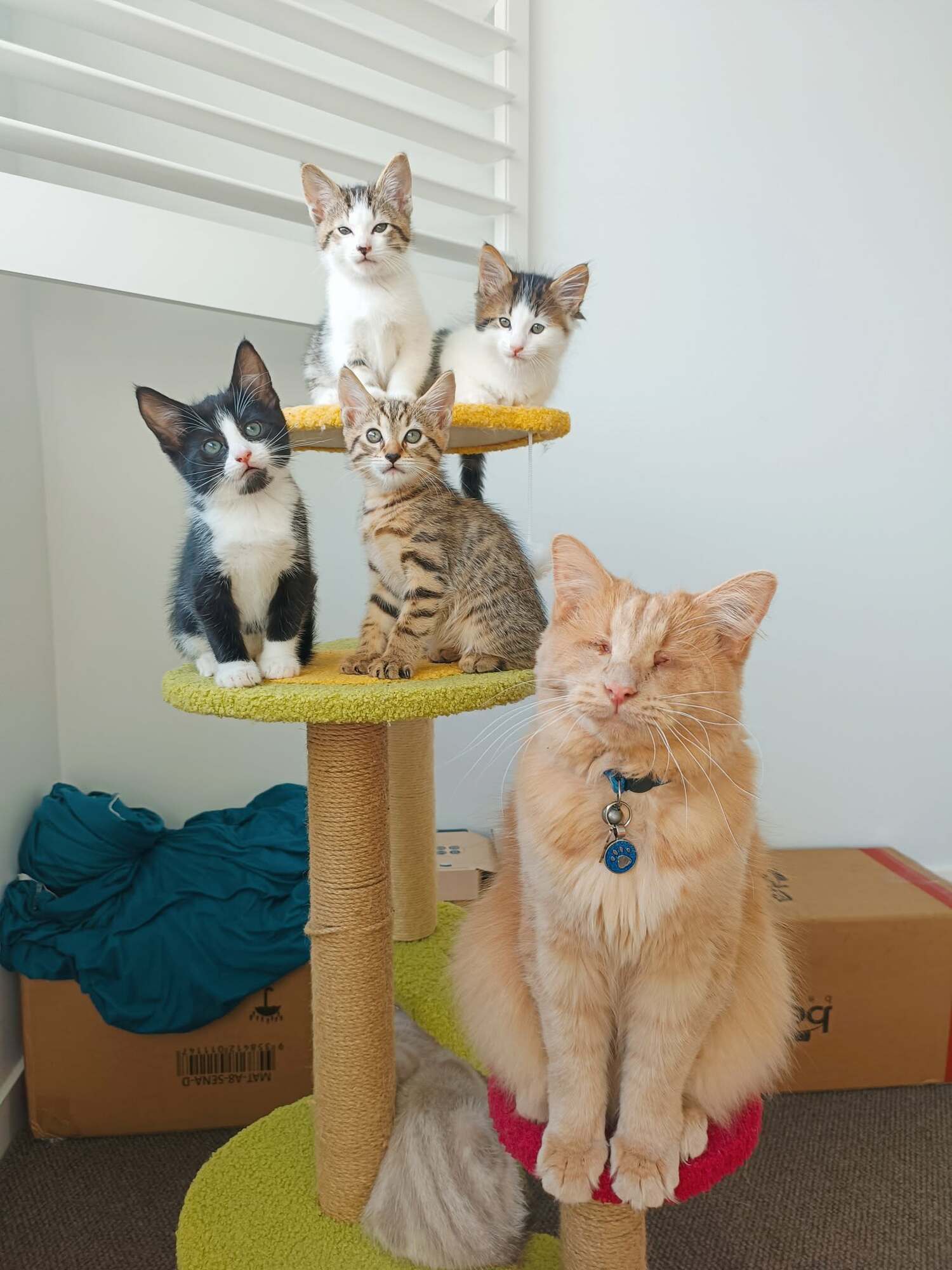
But it's important to introduce foster pets thoughtfully and protect the health and wellbeing of everyone in your household.
For pets with an unknown health history, or simply to give everyone time to settle in at their own pace, it's a great idea to have a temporary separate space for your foster pet when they first arrive. This doesn't need to be anything fancy - a spare bedroom or even a second bathroom can make a great settling-in space for a cat.
The rescue organisation can advise you on introductions and whether a particular foster pet is likely to be a good fit for your household.
Not every foster pet will suit every home, and that's okay. The goal is to find the right match for everyone.
What if I fall in love?
It happens more often than you might think.
The rescue world affectionately calls it becoming a ‘foster fail’ - when your temporary houseguest becomes a permanent member of the family.
If you decide you'd like to adopt your foster pet, speak with the rescue organisation about the adoption process.
And here's the beautiful part: many foster carers who adopt their foster pet go on to foster again. A confident resident pet can help future foster pets settle in, meaning you can continue helping even more pets find loving homes.
What if fostering doesn't work out?
Sometimes a foster placement simply isn't the right fit, and that's okay.
If your circumstances change or a particular pet isn't suited to your home, the rescue organisation will work with you to arrange alternative care.
Fostering should be a positive experience for both you and the pet.
Open communication with the rescue organisation is the key to finding the best outcome for everyone.
Why foster care helps pets thrive
A home offers something a shelter simply can't replicate.
In foster care, pets can:
- learn everyday household routines
- build confidence around people
- experience life in a family environment
- receive one-on-one attention
- develop skills that help them transition more smoothly into their adoptive home.
But there's another huge benefit: foster carers get to know the real pet behind the profile.
They discover the little things that make a pet who they are.
Maybe a dog is happiest curled up beside you while you work. Maybe a cat greets you at the door every morning. Maybe a rabbit has a serious obsession with cardboard boxes.
These everyday observations are incredibly valuable to rescue organisations.
Foster carers can take natural photos and videos, share stories about a pet's personality and provide insights into how they behave in a normal home environment. That information can help create a much more complete and engaging adoption profile - one that shows potential adopters what life with that pet could actually look like.
And the better we understand a pet, the better chance they have of finding the right match.

See how foster care helped Coco blossom.
How do I become a pet foster carer?
Getting started is easier than you might think.
You can reach out directly to rescue organisations in your local area and ask whether they have a foster care program and are looking for carers.
Search the Rescue Directory to find a rescue organisation in your local area.
Or start by searching for a pet who needs foster care on PetRescue.
Browse pets currently looking for foster care and use the "Pets needing foster care" filter to find pets who are looking for a temporary home.
If you find a pet you'd love to help, you can submit an enquiry through their PetRescue profile and connect directly with the rescue organisation caring for them.
Every rescue group and shelter has its own process, requirements and ways of doing things, so the organisation you're fostering with will explain what you need to know and help you through the process.
Not ready to foster today? That's okay too. Even sharing foster care opportunities with friends and family can help more pets find the temporary homes they need.
Every foster home changes a life
Foster care isn't just about giving a pet somewhere to stay.
It's about giving them the chance to feel safe, get to know who they are, show their personality and be seen as the individual pet they are.
It's about helping rescue organisations understand them better, helping adopters find the right match and creating capacity to help more pets who need support.
And sometimes, it's simply about giving a pet a soft place to land while they wait for what's next.
Whether you foster for a weekend, a few weeks, a few months or for many years, every foster journey can make a difference.
If you've been thinking about fostering, why not open your heart and a little space in your home to a rescue pet who needs you?
Ready to help? Search for pets needing foster care on PetRescue or use the Rescue Directory to find a rescue organisation in your local area.
Banner image - Maple from PetRescue


