


 Tips to keep your cat safe at home
Read more
Tips to keep your cat safe at home
Read more

Winter Tips For Your Pets
Brrr-ace yourselves, winter is here, and while pets everywhere are perfecting the art of the blanket burrow, a little extra TLC goes a long way when the temperature drops. If you're feeling the cold, your pet probably is too. Here is some practical, paw-approved advice for keeping pets warm, safe and happy all season long.
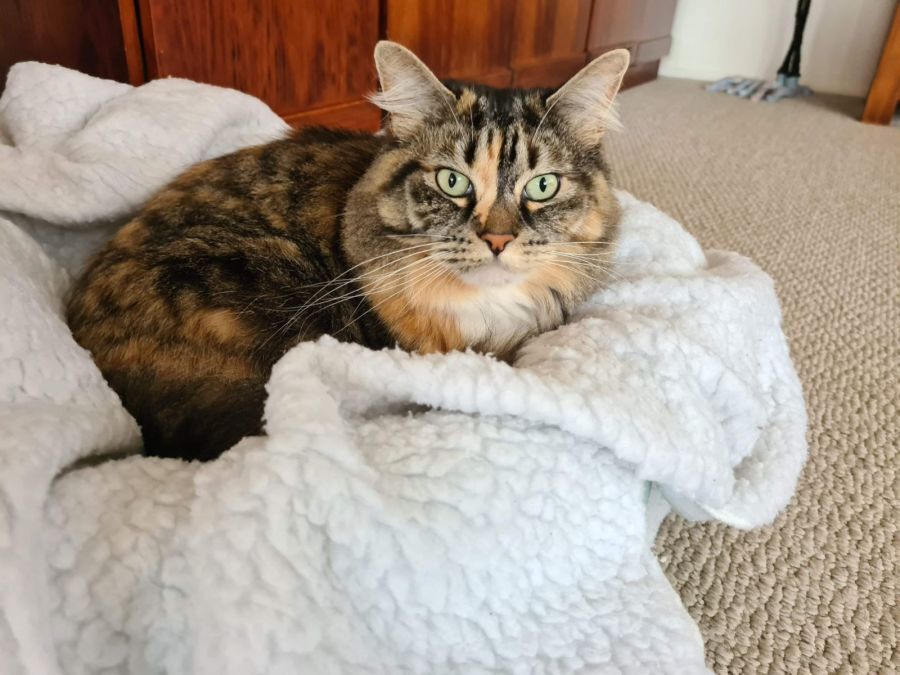
Cosy corners and snuggly sleeping spots
A raised bed away from tiles, windows and draughty corners makes a big difference. A cold floor or draughty corner might be a welcome retreat in summer, but come winter it is a different story altogether. Popping some firm foam matting underneath the bed, or inside the cover at the bottom, adds extra insulation and a bit more comfort too. Pets who sleep outside will appreciate a hooded, insulated kennel raised off the ground and out of the wind, facing a solid surface or fitted with an entrance flap to help trap warm air, plus a blanket or two thrown in for good measure. And for short-haired, very young, senior or unwell pets, the coldest nights are a good excuse to invite them in for a proper sleepover, even if that just means a cosy corner of the laundry or garage.
A pet who is a bit cold overnight may wake up in the middle of the night, sometimes around 2 to 3am, or have an accident indoors even if they are usually well house-trained. It is an easy sign to miss, but adding a warmer bed, an extra blanket or a set of pyjamas often solves it.
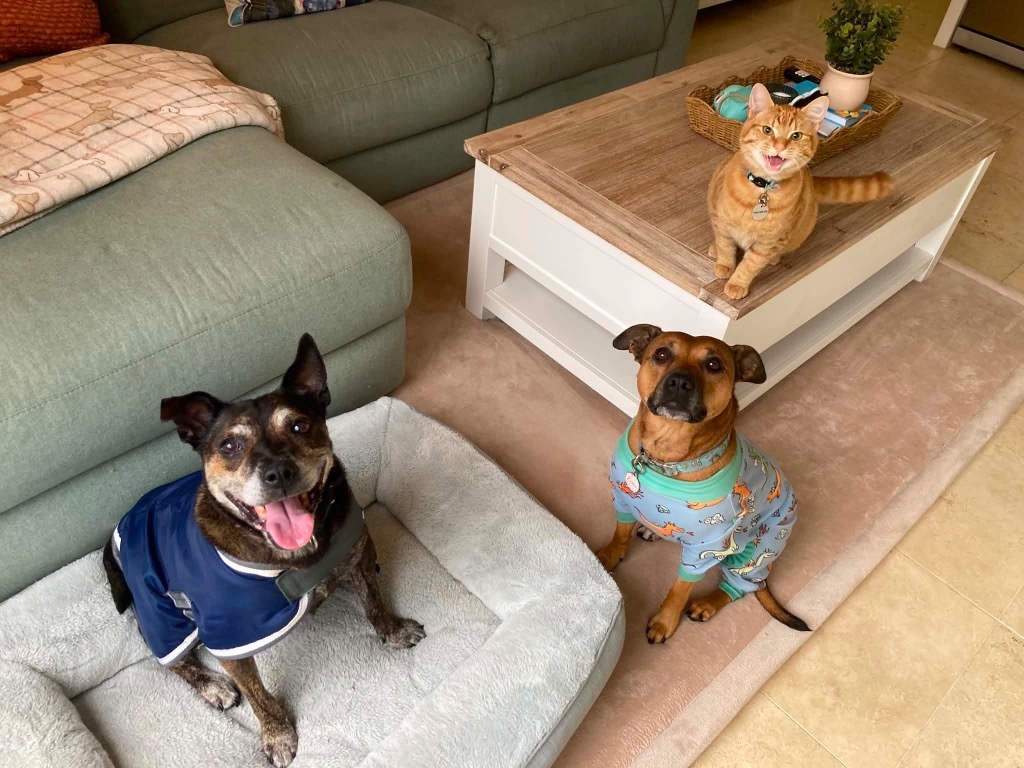
Coats, pjs and a little extra warmth
A well-fitted coat is a handy trick for short-haired breeds, small dogs and senior pets who feel the cold more, covering the chest and belly without restricting movement. Indoor sleepers can benefit from polar fleece pyjamas too, a cosy option for pets who snuggle up by the fire or bunk down in the bedroom overnight. Colder weather can be tough on senior joints, and pets with arthritis may feel it more this time of year. Just like people, colder weather can make older joints ache. Orthopaedic bedding, a ramp instead of stairs, and shorter but more frequent walks all go a long way toward keeping senior pets comfortable. If a pet seems stiffer or slower than usual, it is worth mentioning to a vet, who can advise on options that might help.
No frosty water bowls, please
Swap in fresh, room-temperature water each morning. Nobody enjoys a chilly drink, and pets are no exception. Water left outside can get bitterly cold overnight, or even freeze over in colder parts of the country. In frosty spots, a plastic or ceramic bowl is a smarter choice than metal, which chills much faster.
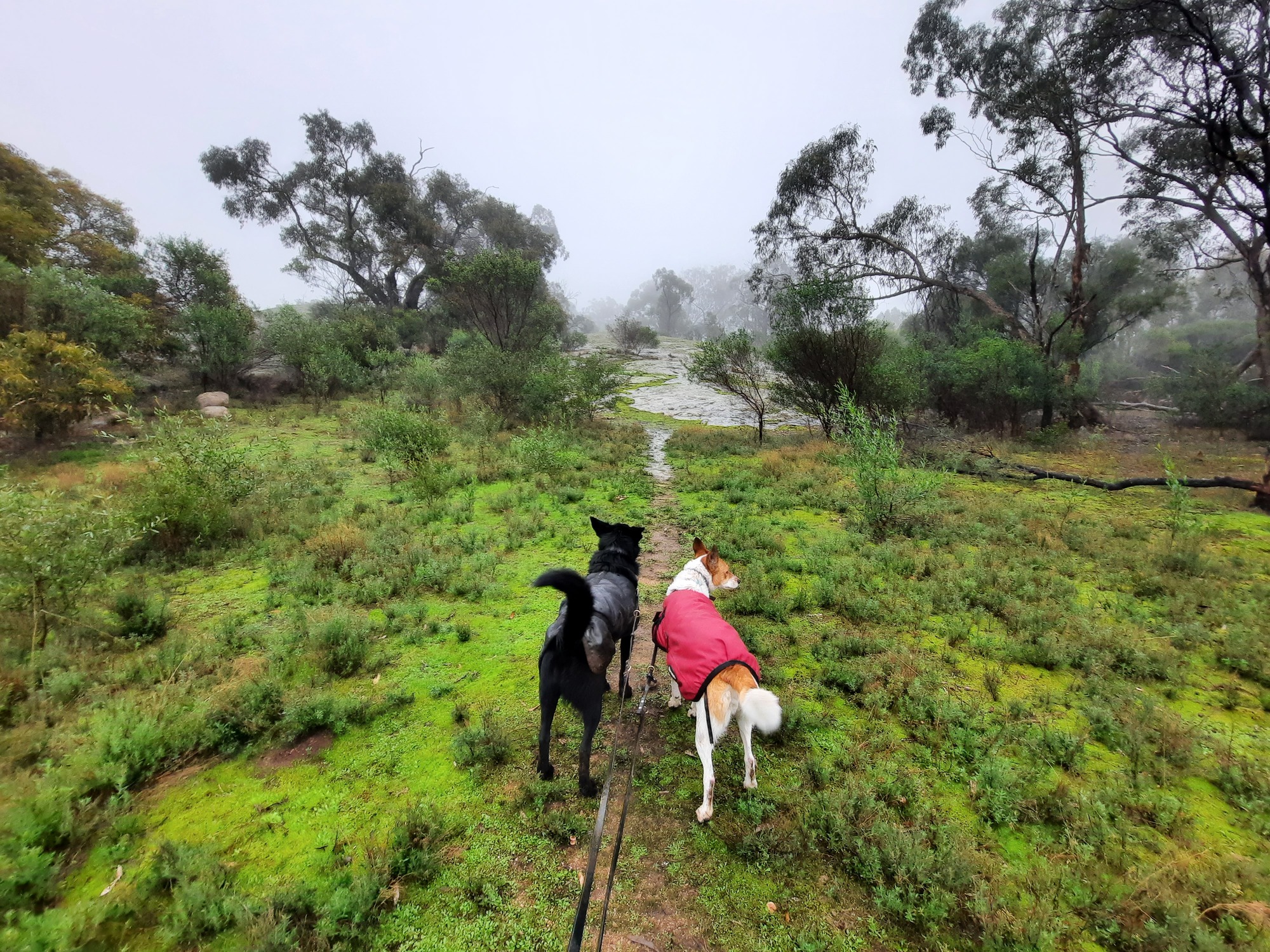
Keep those walkies going, rain, hail or shine
Regular movement keeps joints mobile and helps prevent winter weight gain. It is tempting to let the daily walk slide when the weather turns grey. Rugging up, picking a dry window in the weather where possible, and keeping walks part of the routine all help. For pets who are not fans of getting wet, a raincoat can turn a soggy trudge into something closer to an adventure.
Keep heat sources hazard-free
Heat pads, hot water bottles, fires and heaters all need careful handling around pets. If shopping for a heat pad or mat, look for one made specifically for pets, as these are generally designed with extended or overnight use in mind, and it is worth checking the specifications and safety information before choosing one. Wrap heat pads and hot water bottles in a towel rather than placing them directly against skin, position them at one end of a bed or enclosure so a pet can move away if they get too warm, and unplug electric pads when unsupervised. The same goes for fires and heaters. A fireguard, bedding kept a safe distance away, and no unsupervised pets nearby will help avoid burns, singed fur or a knocked-over heater.
Fluff patrol: staying on top of grooming
A good towel dry and regular brushing keep coats from matting. Wet, muddy walks can leave coats matted and skin damp for hours, which is nobody's idea of a good time. The occasional trim around the paws will keep pets comfortable, and looking rather fabulous, through the wetter months. For double-coated dogs, a high velocity dryer used between baths over winter is also worth considering, helping remove dirt and dander from the coat and thoroughly dry a dog who has come in a bit too wet.
Adjust the food bowl if activity levels drop
Less exercise over winter can mean a pet needs slightly less food too. Keeping an eye on body condition and adjusting portions where needed helps stop a cosy winter turning into a few extra kilos by the time spring rolls around. A body condition score of 3/5 (or 5/9, depending on which scale is used) is generally considered ideal, and can be a helpful guide when checking in on a pet's shape over winter.
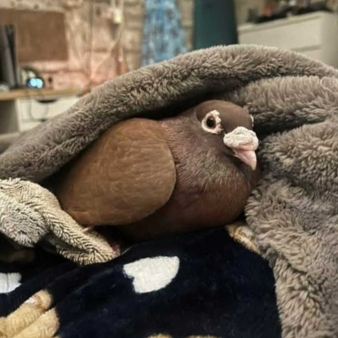
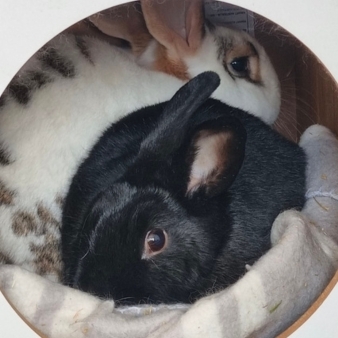
Small pets, reptiles and feathered friends need their own special set-ups
- Rabbits, guinea pigs and chickens appreciate extra insulation over winter. A hay-shavings mix tends to make cosier bedding than straw or hay alone, along with some draught-proofing and a hutch raised off cold or wet ground, all helping keep the cold at bay
- Reptiles need a different approach altogether, since being ectothermic means they rely entirely on their environment to regulate body temperature, making heating and lighting essential rather than a nice-to-have. It is worth checking thermostats and basking spots are working as they should, and having a chat to an exotics-savvy vet about the specific needs of the species at home
- Birds feel the cold too, so moving cages away from draughts, adding a cosy nest box and popping on a light cage cover overnight all help, while outdoor aviary birds will be glad of a sheltered, insulated spot to retreat to
With a bit of planning and a lot of blankets, winter does not have to mean a season of the shivers. A cosy pet is a happy pet, and a happy pet makes for a very good winter indeed.


