








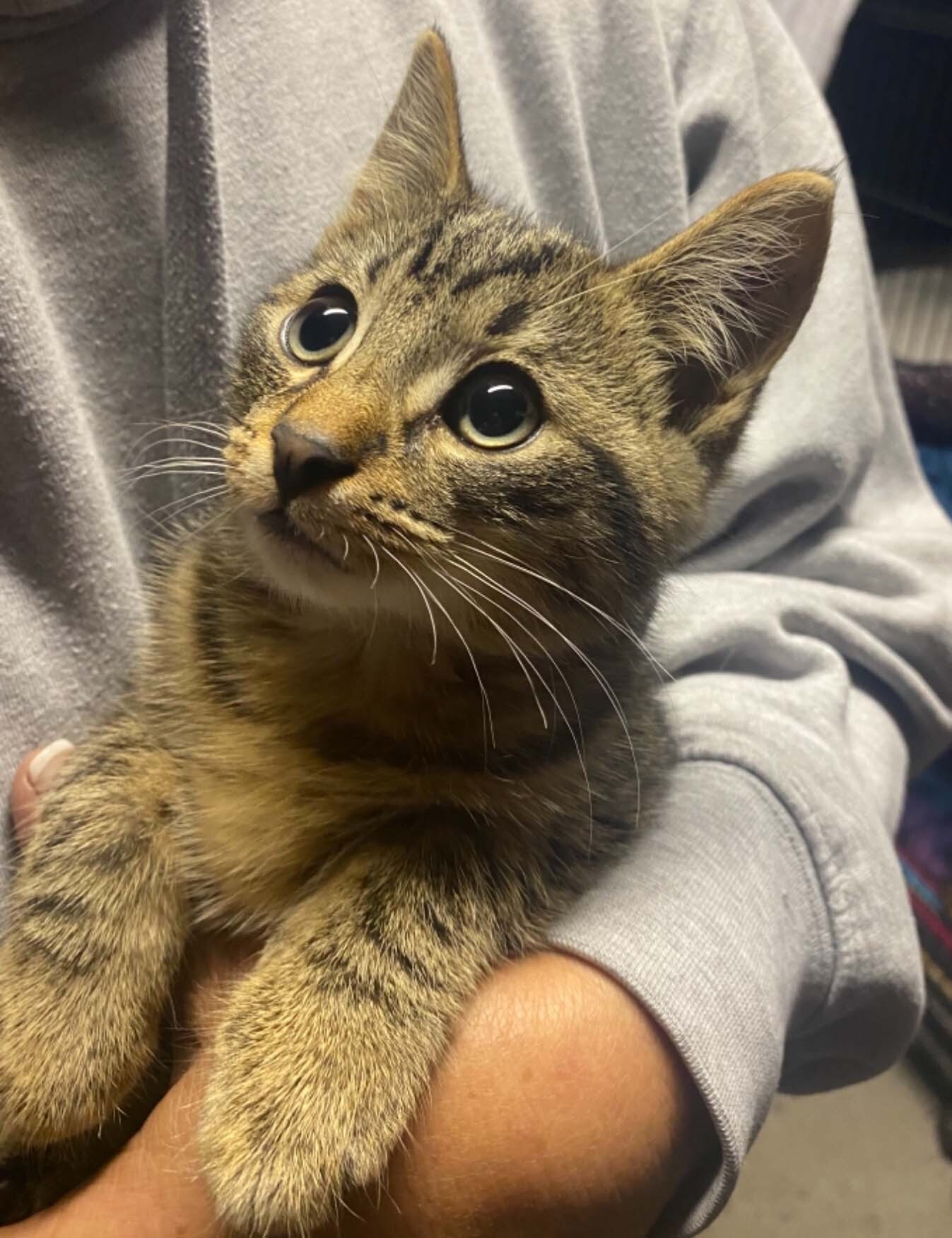
 One Million Pets Campaign: Celebrating an Incredible Milestone
Read more

The words we choose do more than tell a story. They shape how we see the world, the assumptions we make, and even how we treat each other. And when it comes to pets, the language we use has the power to change lives and can help move our collective work forward, or hold back the change we're trying to create.
Think about the words we hear and use every day.
We say we own pets. We talk about responsible pet ownership. We hear pets described as abandoned, dumped or unwanted. We celebrate when they find their forever homes.
They're familiar expressions. Here in Australia, we use most of these terms without giving them a second thought.
But what if some of these everyday words reinforce the very attitudes and assumptions that sustain an outdated system?
Understandably, language is an unconscious habit. Often, the words we use don't necessarily reflect what we believe. They're simply the words we've grown accustomed to, picked up from the people, environment and culture around us and conditioned to use over time.
Changing those habits takes awareness, intention and sometimes a little unlearning. But it's worth doing, because the words we choose matter.
At PetRescue, we believe language is one of the most powerful tools we have to create positive change, and the way we start to challenge the status quo.
The way we talk about pets influences how we perceive, respect and value them. The way we describe people and communities subconsciously influences how we accept, support, vilify or judge them. And the stories we tell about pet homelessness influence the solutions we believe are possible.
That's why PetRescue is intentional about the words we choose.
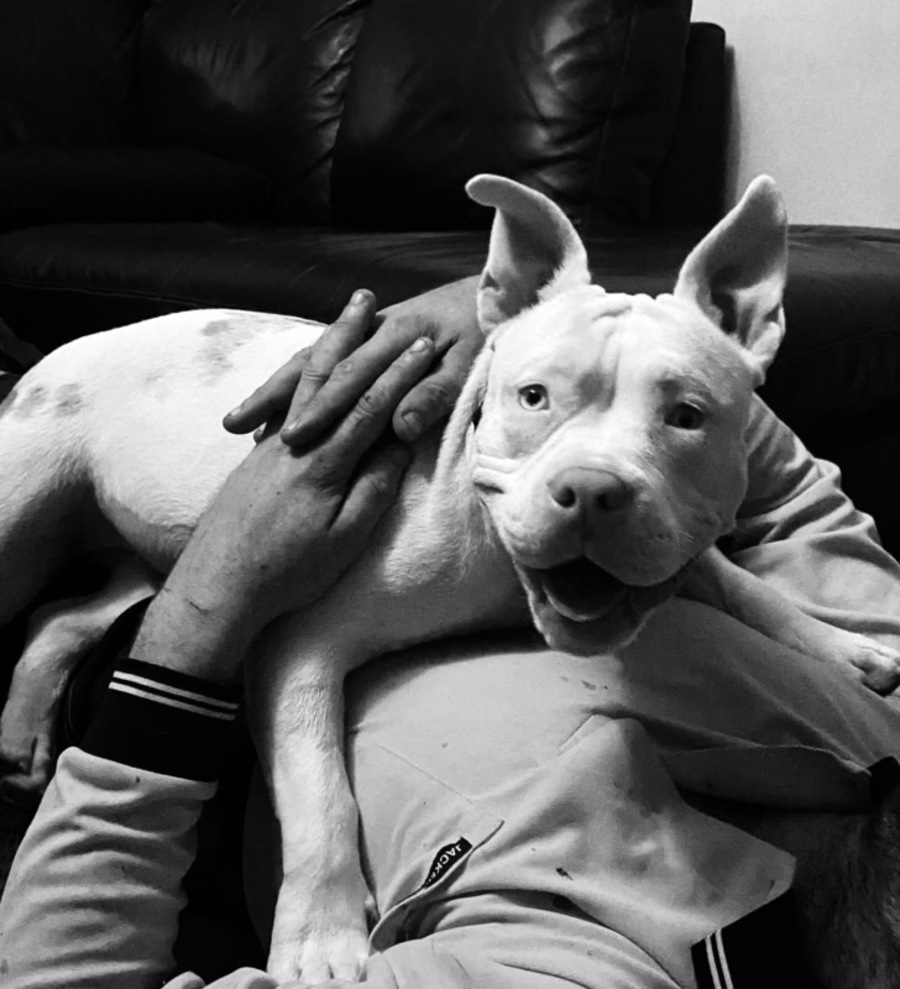
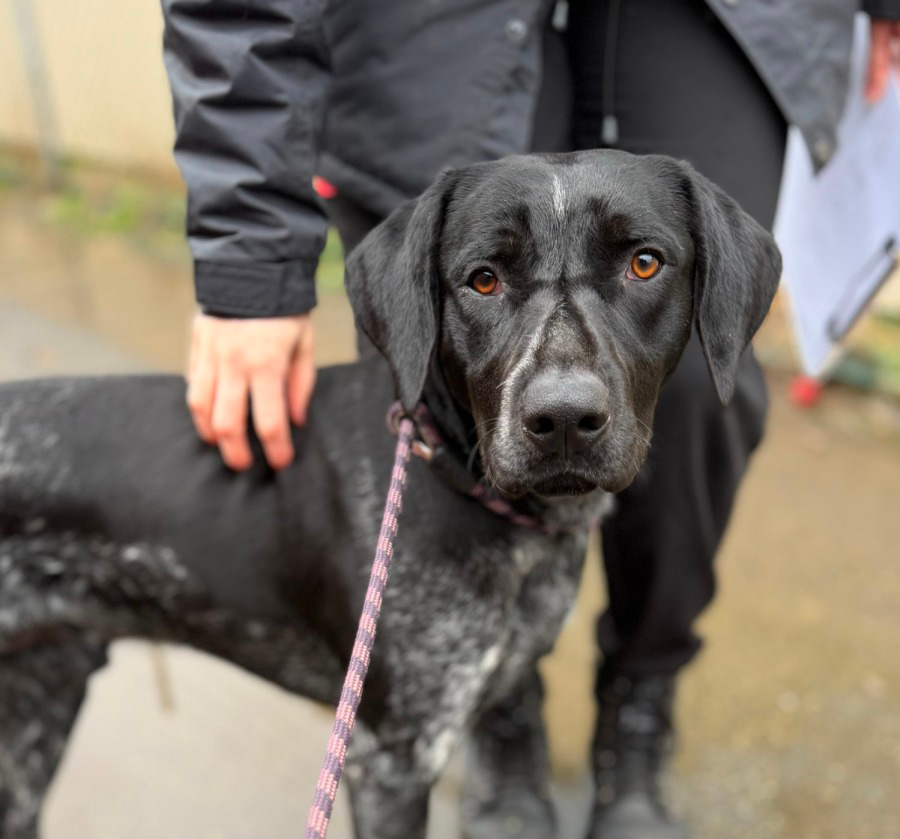
Onyx found love on PetRescue thanks to Waggin Tails Rescue.
PetRescue believes pets aren't possessions. They're companions.
Instead of 'pet owner', we say 'pet guardian'.
It's a small change, but a significant shift in perspective.
The word owner reflects a legal framework that has historically treated pets as property. Something that can be bought, sold or possessed.
But an ownership-based framework can also leave some of our most vulnerable pets out of the picture. When recognition and protection are tied to having an identifiable owner, semi-owned and unowned urban stray cats, for example, can fall through the gaps. They still need, and deserve, care and protection.
But anyone who has shared their life with a pet knows the relationship is so much more than that.
Our pets are sentient beings. They experience emotions, form meaningful bonds, have individual personalities and needs, and play an important role in our families and communities.
When we use the term pet guardian, we're recognising that relationship. And that sometimes this companionship can also be temporary.
It's about care, connection and responsibility, rather than property, possession or something to control.
And while the law may still recognise pets as property, our language doesn't have to reinforce that way of thinking.
Because pets aren't things we own, they're lives we're responsible for, with love, respect and care.
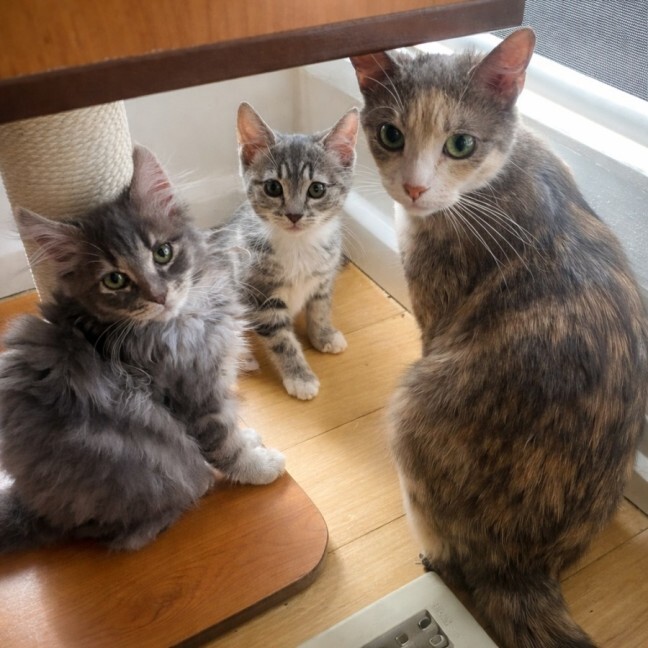
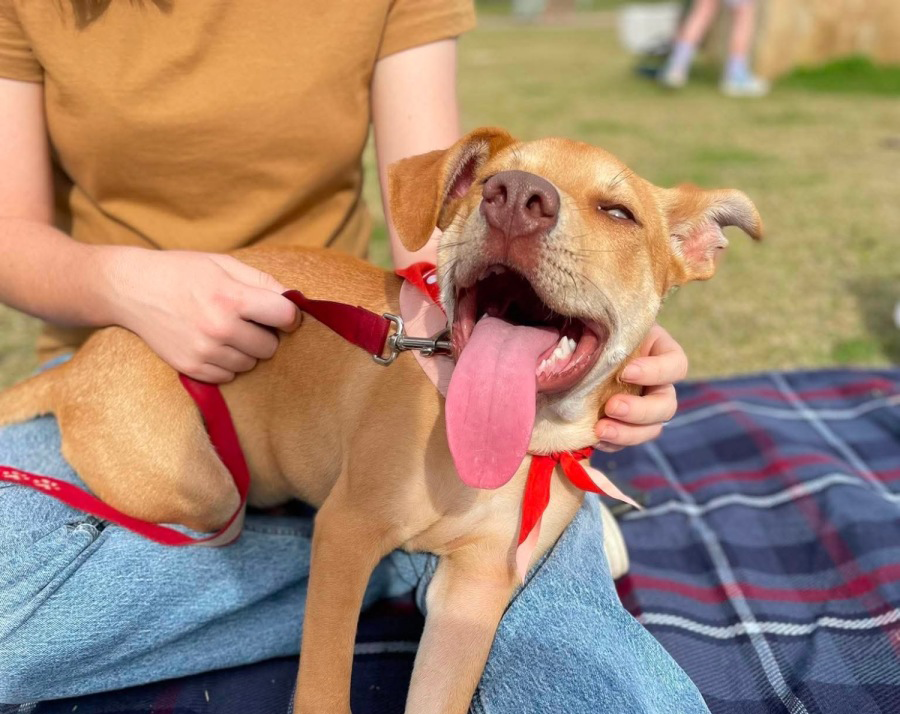
Apollo and friends found love on PetRescue thanks to The Rescue Club Ltd.
What if we encouraged people instead of judging them?
Instead of 'responsible pet ownership', we say 'positive pet companionship'.
For decades, the phrase responsible pet ownership has been used to encourage people to care for their pets appropriately.
The intention is good. But the language can carry a message that can also cause unintended harm, as it excludes the whole picture.
If someone is struggling to meet their pet's needs, does that automatically make them irresponsible?
What if they're experiencing financial hardship? Facing a housing crisis? Navigating illness, family violence or an unexpected change in circumstances?
The reality is that people can love their pets deeply and still need help caring for them.
When we frame pet care around being a responsible owner, we risk reducing complex circumstances to individual choices and creating shame where support might make all the difference.
Positive pet companionship shifts the focus.
Rather than judging people against stereotypes or an ideal that doesn't reflect the diversity of social and economic circumstances in modern Australia, this language encourages curiosity, understanding and the care, relationships and support that help pets and people thrive together.
It's a shift from blame and shame to encouragement, from control to connection.
And from asking whether someone is a good enough pet guardian to asking what would help them and their pet thrive together.
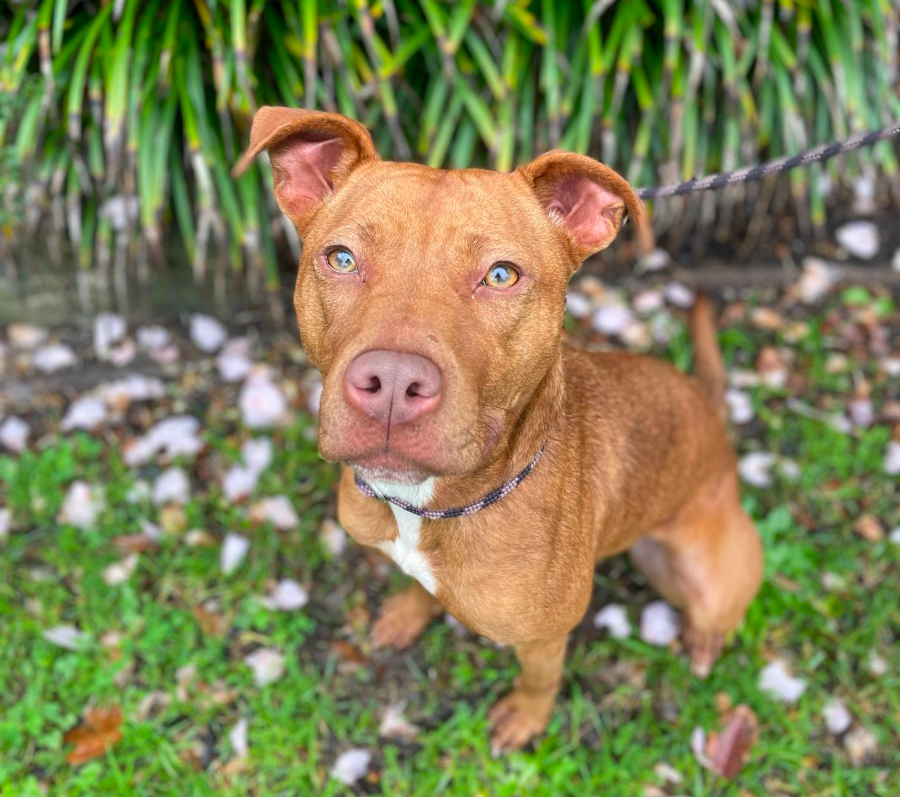
Diesel found love on PetRescue thanks to Ballarat Animal Shelter.
A pet needing a new home doesn't mean they weren't loved.
Instead of 'abandoned', 'dumped' or 'unwanted', we talk about pets who are vulnerable, at risk or in need of a new home.
Words like abandoned, dumped and unwanted can paint a powerful picture.
But they can also tell an incomplete story.
When we describe a pet as unwanted, we're making an assumption about how someone feels about them and suggest there's something wrong with the pet.
When we say a pet has been abandoned or dumped, we can imply cruelty or indifference, even when we don't know the circumstances.
And when these words become the dominant language of rescue, they reinforce a familiar narrative: that pets end up in shelters because people don't care enough.
But pet homelessness is far more complex than that.
Housing insecurity, financial hardship, family violence, health challenges and a lack of accessible support can all contribute to families being separated from the pets they love.
For some people, finding a new home for their pet is an incredibly difficult decision made because they care about their wellbeing.
Of course, neglect and cruelty do happen. And when they do, it's important to describe them accurately.
But we shouldn't assume that's every pet's story.
Because needing help doesn't mean someone doesn't care. And needing a new home doesn't mean a pet was not loved or is any less valuable.
When we change the language, we make room for empathy. And when we make room for empathy, we can begin to look beyond blame and towards solutions that keep more pets safe and families together.
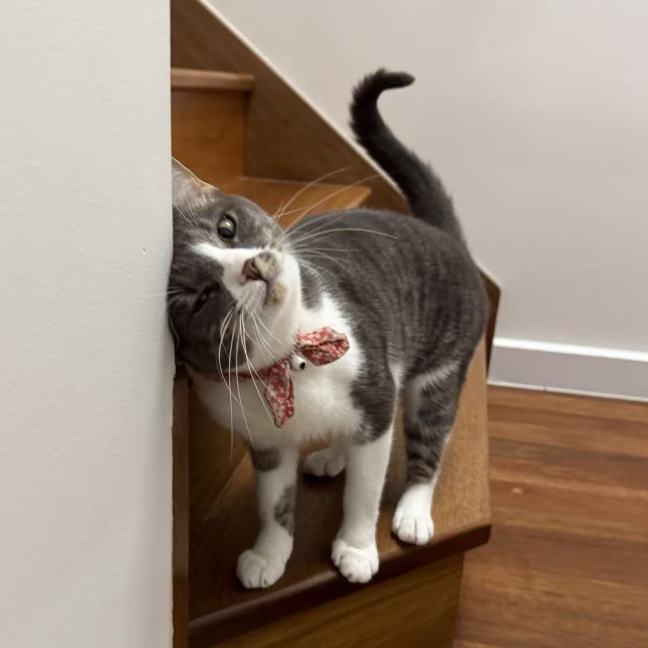
Pumpkin found love on PetRescue thanks to Home2Home.
Love doesn't come with a lifetime guarantee.
Instead of 'forever home', we say 'new home', 'loving home' or 'great match'.
Few expressions in pet adoption are as familiar as forever home.
It's a beautiful sentiment. A promise of love, stability and belonging.
But life doesn't always follow the plans we make.
People lose their homes, relationships change, health and financial circumstances shift, and people can unexpectedly inherit pets from loved ones who have passed. Sometimes, despite someone's best efforts, they're no longer able to provide the care their pet needs. The reason is not a lack of love.
When we describe a successful adoption as finding a forever home, we can unintentionally suggest that any future change is a failure.
And for people already facing an incredibly difficult decision, that language can add guilt and shame.
At PetRescue, we want every pet to find a safe, loving home where they can thrive.
We also recognise that circumstances can change, and that asking for help or finding a new home for a pet can sometimes be the most caring decision someone can make.
A successful adoption isn't defined by a promise that nothing will ever change.
It's about finding the right connection, with the right support, so pets and people can thrive together.
Ranger found love on PetRescue thanks to DM Rescue.
Every pet is an individual, not a label.
Instead of defining pets by breed, we focus on personality, needs and compatibility.
Have you ever heard someone describe a dog as naturally high-energy, stubborn or friendly simply because of their appearance alone?
These assumptions are so common that we often accept them without question.
But just like people, pets are individuals.
Two dogs of the same breed can have completely different personalities, behaviours, preferences, experiences and needs.
And for rescue pets, breed identification is often an educated guess based on physical traits.
When we rely on breed labels to tell us what a pet will be like, we risk overlooking the individual right in front of us. Stereotyping through breed means that perfectly adoptable pets can sometimes be overlooked.
That's why PetRescue encourages adopters to look beyond breed and focus on what really matters.
What makes this pet happy? What helps them feel safe? What kind of environment will they thrive in? And are their needs a good match for your home and lifestyle?
Hazel found love on PetRescue thanks to Wollongong Pet Connection.
The words we use can shape the future we imagine.
Instead of 'pound', we use 'council shelter', 'council holding facility' or 'council animal care facility’, depending on the service provided.
For many Australians, the word pound brings to mind a place where lost or homeless pets are impounded and held.
It's language rooted in an outdated approach to managing pets, one that places greater emphasis on containment and control than care and wellbeing.
But what if we expected something different?
What if every council facility was seen not simply as a place to confine pets, but as part of a community-wide system of care responsible for keeping them safe and supporting positive outcomes?
By using more accurate, contemporary language, we can help shift expectations of what these services should provide.
The distinction matters. A council shelter that provides adoption and welfare services is different from a holding facility, and our language should reflect that.
Changing a name won't transform a service overnight.
But language can influence the standards we accept, the questions we ask and the future we work towards.
If we want to change what's possible for pets, we also need to change what we expect.
Ralph found love on PetRescue thanks to Sally's Cat & Kitten Rescue Inc.
Sometimes, softer words hide harder truths.
We distinguish between 'euthanasia' and 'killing' because the circumstances matter.
Euthanasia means a humane and compassionate end to suffering. It's an important part of animal welfare, and when ending a pet's life is the kindest option for them, PetRescue supports that outcome.
But when a healthy pet is killed because of limited space, resources or other outdated systemic circumstances, describing that death as euthanasia can obscure what actually happened.
These are fundamentally different circumstances, and they deserve different language.
PetRescue advocates for an end to the preventable killing of pets in Australia's companion animal welfare system. We believe no healthy or treatable pet should lose their life simply because there isn't enough space, support or resources to keep them safe. Reuniting pets with their guardians should always be the priority. When that's not possible, we need the resources and support to keep pets safe while helping them find a new place to call home.
Our concern isn't euthanasia. It's the preventable killing of pets who could have had a different outcome if the right support, resources and systems were in place.
It's an uncomfortable distinction. But discomfort isn't always a reason to soften the truth.
If we want to have meaningful conversations about the challenges facing Australia's animal welfare sector, we need language that accurately reflects what's happening, and the changes needed to prevent it.
Because we can't change a problem we're unwilling to name.
Changing the conversation changes what's possible.
At PetRescue, our vision is a future where every pet is safe, respected and loved.
And while connecting pets with new families is an important part of that work, we know that creating lasting change means looking at the bigger picture. This involves transforming the system and challenging the outdated language that we, as a pet-loving society, use.
It means helping pets stay with the people who love them. Supporting pet guardians before they reach a point of crisis. Challenging outdated assumptions about pet homelessness. And recognising the many people and organisations working together to create better outcomes.
Language plays a role in all of it.
When we stop describing pets as possessions, we reinforce their value as sentient beings.
When we stop assuming pets are unwanted, we make space for compassion towards the people who love them.
When we move away from blame, we open the door to support, prevention and understanding.
And when we challenge the labels and assumptions we've always used, we make room for new ways of thinking.
We don't expect everyone to change the way they speak overnight. And we're still learning, questioning and evolving our own language too.
But we believe these small, intentional choices matter.
Because language doesn't just reflect the world we live in.
It helps shape the world we create.
Banner image: Faun and friend found love on PetRescue thanks to The Rescue Club Ltd.


