


The shortage of cat vaccines is expected to last until sometime during the first quarter of 2024.
During this time, the supply of F3 vaccinations will be restricted, and you may not be able to get all cats in your care vaccinated in a timely manner.
Below you'll find some guidance for best practices to navigate the shortage and continue caring for cats in your care and the wider community.

Keep adoptions going!
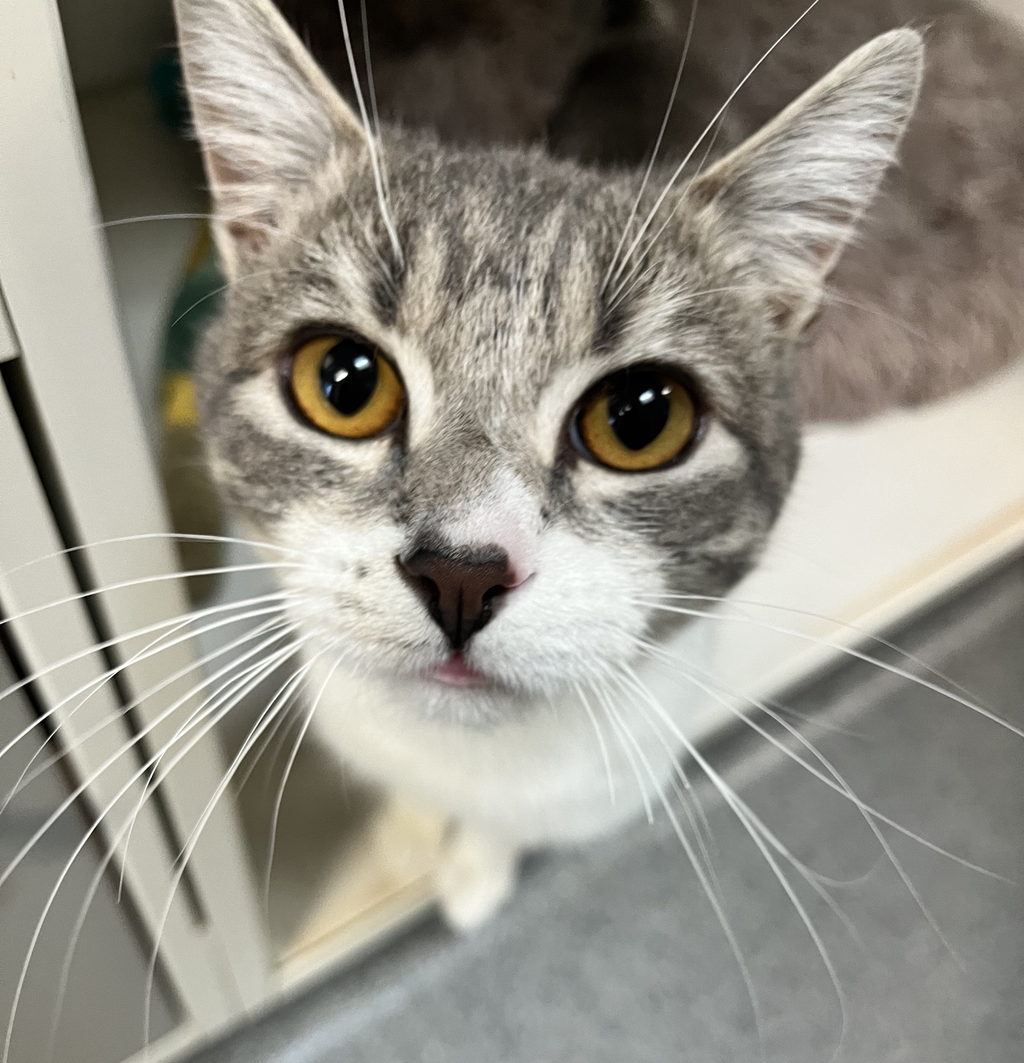
Randy, wat djerring Animal Facility
It is important that we keep cats and kittens moving into homes throughout the vaccine shortage. This minimises the risk to individual cats and kittens and helps minimise impacts on rescues, shelters and council operations.
Please check your state-specific requirements around the adoption of cats and kittens without vaccinations, as this may impact your adoption processes. The two recommended options for cat adoptions are:
-
Adopt out unvaccinated cats with full disclosure and a process in place for having these cats vaccinated as soon as possible, or
-
Place unvaccinated cats in homes under ‘Foster To Adopt’ agreements and finalise adoptions after the mandatory vaccination has taken place in 2024.
-
Implement Supported Self Rehoming as a way to help people find new homes for their cats, without them ever needing to enter the physical shelter. Get the HASS Supported Self Rehoming toolkit here. Or via Hearts Speak here.
Prioritise sheltering in place to keep cats out of care
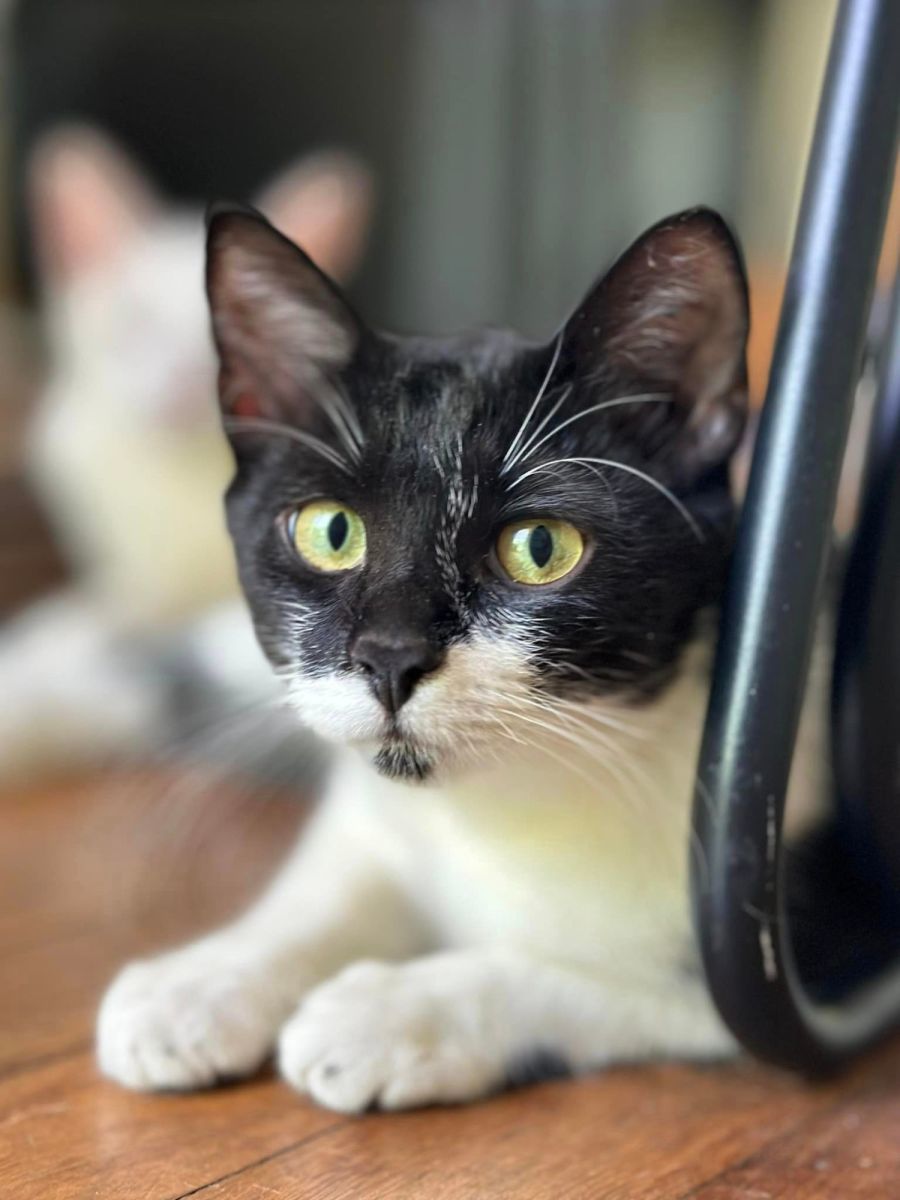
Anastasia, A Safe Place For Meow
The best way to keep cats and kittens healthy while we navigate the vaccine shortage is to keep them out of care and in private homes where they are less likely to be exposed to other cats and infectious diseases.
When a member of the community who has found kittens calls, enlisting them as a foster carer and supporting them through keeping the kittens at their property with your help - like the Milkman Program from Miami-Dade County Animal Services - is a great way to leverage community support.
For people who have lost their pet cat or think they have found an adult cat belonging to someone else, redirect them towards resources for reuniting pets and owners and work with them to avoid bringing cats into care.
Some options for people who have found cats:
-
Use a paper collar to try and get in contact with the cat’s owner
-
Embrace alternatives to intake for getting pet cats back to their carers or owners - see the Getting2Zero advice on reuniting pets and owners here.
-
If they can, have them take care of the cat for a few days and get the word out in their neighbourhood that they have found a cat. Most lost pet cats are picked up within a few streets of their home, so keeping them local and getting the word out via social media and door-knocking is their best chance to get back home!
If someone has lost their cat, there are great resources to help owners find their pet cats on the Getting2Zero website and Lost Pet Finders.
Managing increased disease risk for cats in care

Guy, SAFE Karratha
General advice for managing cats coming into care during this time is:
-
Revisit your incoming animal quarantine processes to ensure that cats and kittens are kept isolated from other animals until after the incubation periods for panleukopenia and Feline Upper Respiratory Infection
-
Revisit your sanitation protocols to ensure that your cleaning and disinfection processes are effective against panleukopenia (see disease management advice from UC Davis Koret Shelter Medicine Program and ASPCAPro) and Feline Upper Respiratory Infection (see disease management advice from UC Davis Koret Shelter Medicine Program and this webinar from ASPCAPro)
-
Ensure you are using disinfectants that are effective against unenveloped viruses - compare the active ingredient in your disinfectant to this chart to make sure.
-
In Australia, accelerated hydrogen peroxide goes under the brand name Oxivir.
-
Household bleach is effective against these viruses when used according to specific guidelines after cleaning with a detergent cleaner, like dishwashing liquid.
-
Potassium Peroxymonosulfate goes under the brand name Virkon S in Australia from a wide variety of suppliers.
-
-
All measures should be taken to avoid co-housing or group housing of unrelated cats and kittens with unknown disease status.
-
Foster housing of cats and kittens is preferable to keeping them in shelters, as this minimises the size of the population at risk of infection during an outbreak.
-
Every effort must be made to vaccinate kittens and cats with no known vaccine history as soon as possible. Cats with a known vaccine history should not be revaccinated until supplies stabilise.
-
Develop processes for ensuring that cats and kittens who cannot be fully vaccinated before placement in adoptive homes (or Foster To Adopt Homes) are vaccinated as soon as these are available in 2024.
Team member training in infection control
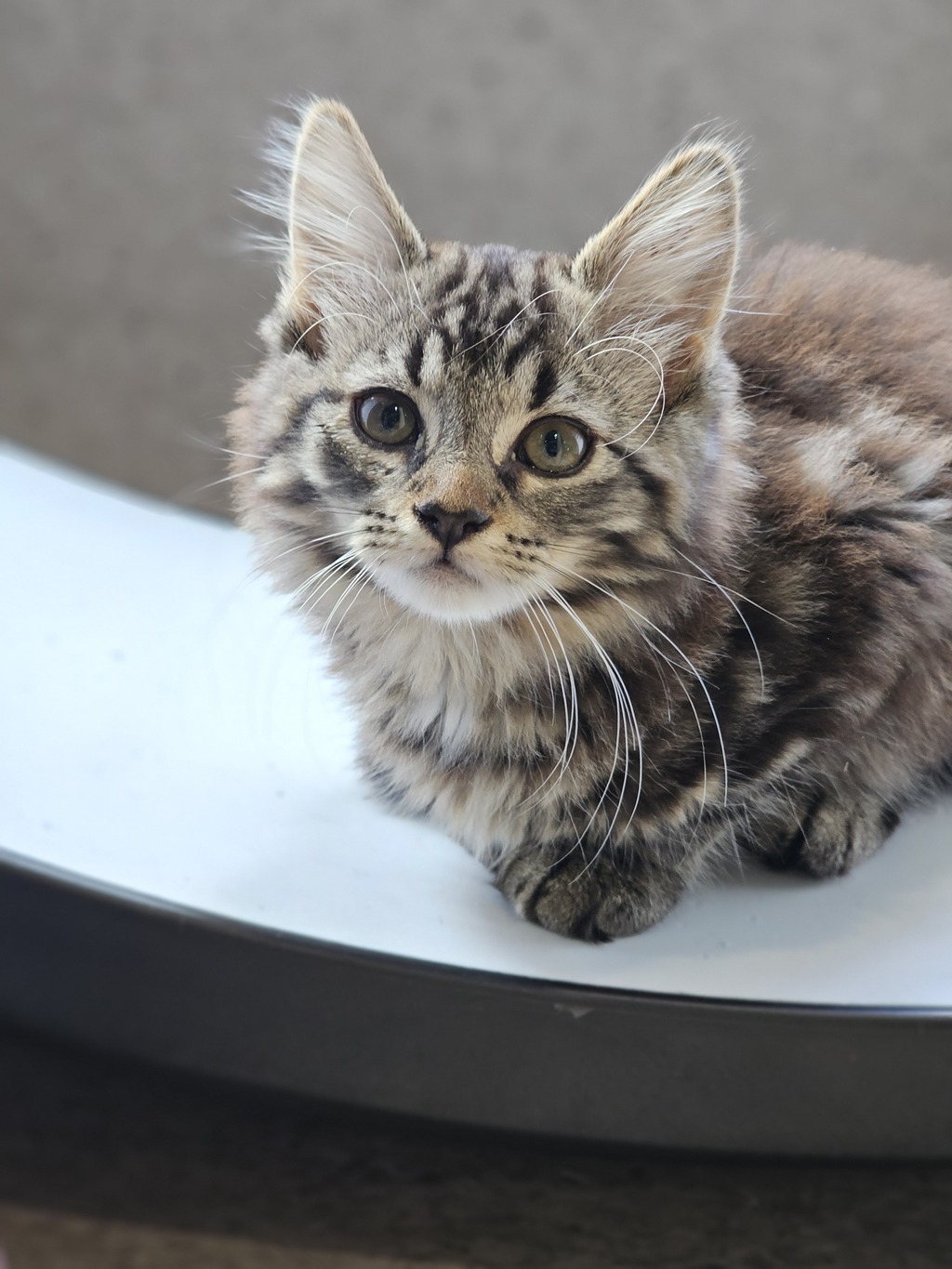
Lisa, AWL NSW Kemps Creek
Now is a great time to do some free continuing sanitation and infection control education with your team. Having team members who carefully observe animals and know how to respond to early signs of disease is your best defence against outbreaks. Learn more about the importance of savvy team members from Dr Julie Levy.
Here are some of our favourite resources for team training in infection control:
-
Conference Recording: Don’t Be a Fomite! Principles of disease transmission in shelters
-
Conference Recording: Sanitation to Save Lives
-
Maddie’s flash Class: Cleaning and disinfection in foster homes
-
For a great overview of the basics of developing a sanitation and infection control plan, the ASPCAPro 2-part webinar series
-
For shelter management teams, the Disease Prevention in the Shelter conference recording is a quick way to revise.