


If your dog seems to be scratching, licking or nibbling at their skin more than usual, an allergy could be one possible cause.
Skin allergies can be uncomfortable for dogs, and figuring out what’s behind the itch isn’t always straightforward. Food, fleas and things in your dog’s environment can all potentially trigger reactions, and different causes can produce similar symptoms.
With insights from PetRescue partner Lyka and their veterinary and nutrition experts, here are some of the key things pet guardians should know about dog skin allergies, including signs to look out for and when it’s time to speak to your vet.
What does a skin allergy look like in dogs?
An allergy occurs when the immune system reacts to a substance, known as an allergen, that your dog encounters through their food, surroundings or other forms of exposure.
While the occasional scratch is perfectly normal, persistent or intense itching can be a sign that something more is going on.
Signs associated with allergic reactions can include:
-
frequent or persistent scratching
-
licking, rubbing or over-grooming
-
biting or gnawing at the skin
-
hair loss
-
red, inflamed or swollen skin
-
raised bumps or hives
-
watery or irritated eyes
-
skin lesions
-
recurring skin or ear infections.
You might notice irritation around your dog's paws, ears, face, belly, groin or the base of their tail, although symptoms can occur elsewhere too.
These signs aren't necessarily caused by an allergy, so if your dog is uncomfortable or their symptoms are persistent, a vet is the best person to help work out what's going on.
What can trigger skin allergies in dogs?
There isn't one single cause of skin allergies. Lyka's veterinary-reviewed guide groups potential triggers into several broad categories.
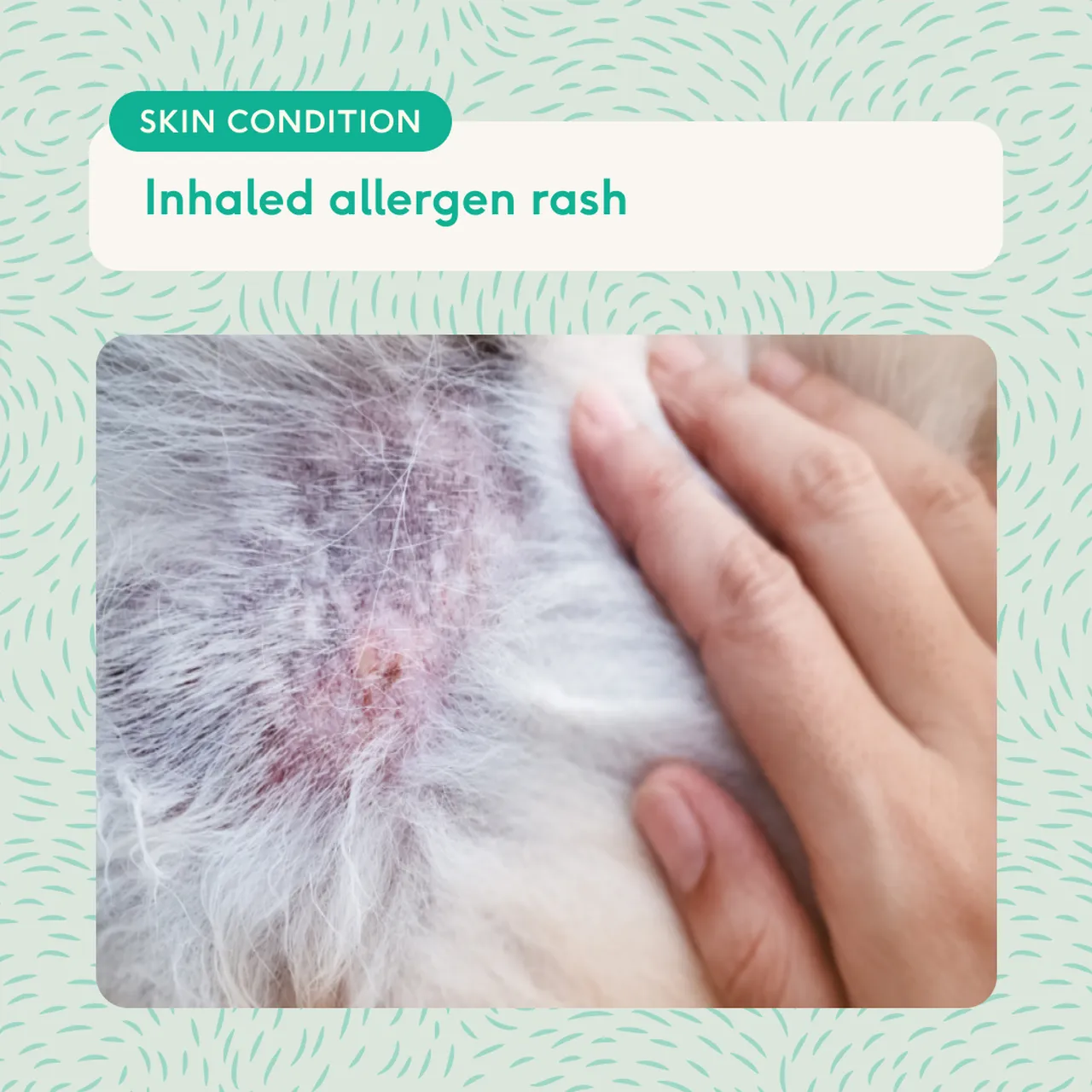
Environmental and airborne allergens
Just like people, dogs can encounter potential allergens in their everyday environment. These may include things like pollen, dust, mould and smoke, as well as substances they come into direct contact with, such as certain plants, soaps or cleaning products.
Environmental allergies can sometimes be seasonal, so you may notice symptoms appearing or becoming more noticeable at particular times of year.
Where a trigger can be identified, reducing your dog's exposure to it may help. Your vet can also advise you on appropriate ways to manage itching and inflammation.
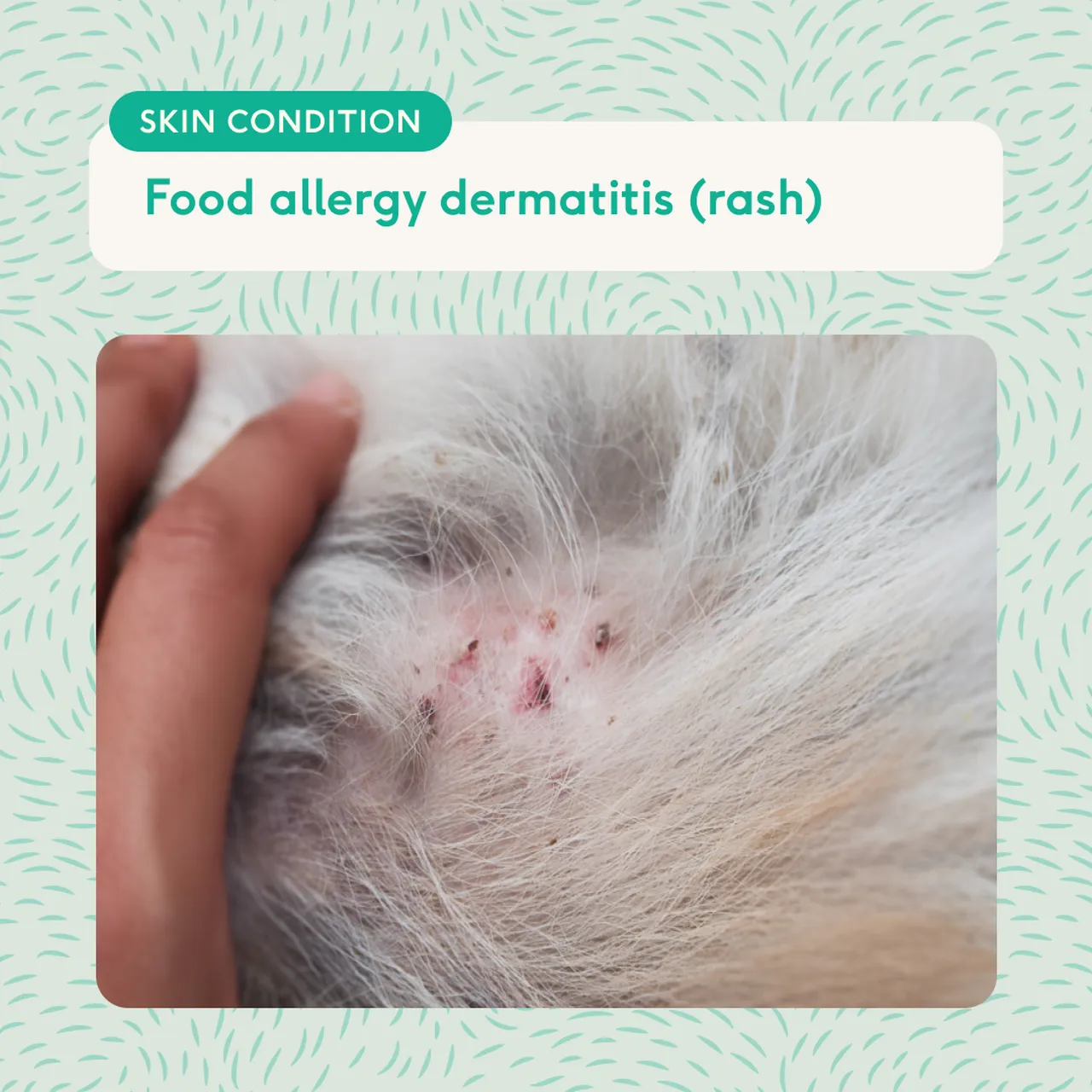
Food allergies and intolerances
Food can sometimes be behind ongoing skin or digestive symptoms, although Lyka notes that food intolerances are more common than true food allergies.
Signs can overlap with other types of allergies and may include itchy skin, particularly around the ears and paws, as well as recurring ear problems or gastrointestinal symptoms such as vomiting or diarrhoea.
Because there are many possible causes for these symptoms, changing your dog's diet at random can make it harder to get to the bottom of the problem. If food is suspected, your vet may recommend a carefully managed elimination diet to help identify whether a particular ingredient is involved.
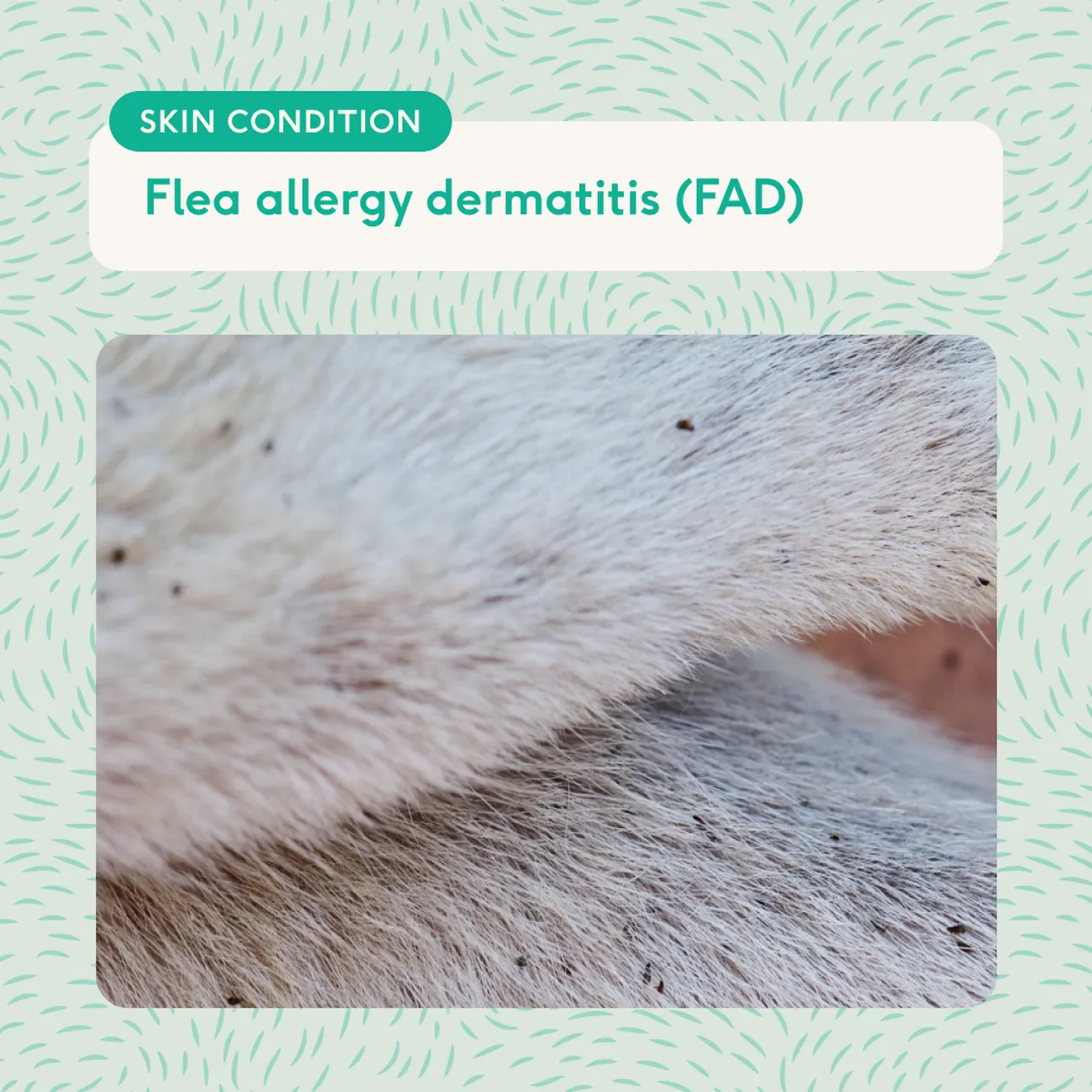
Fleas, insect bites and medications
For some dogs, even exposure to fleas can cause significant irritation. Flea allergy dermatitis is a reaction to proteins in flea saliva and can cause intense itching, often around the back and base of the tail.
Insect bites or stings and, in some cases, medications can also cause allergic reactions.
Keeping up with appropriate parasite prevention can be an important part of protecting your dog's skin health. Your vet can recommend an option that's suitable for your individual dog.
If you think your dog is having a reaction to medication, contact your vet promptly.
Helping an itchy dog starts with finding the cause
When your dog is uncomfortable, it's understandable to want to give them relief as quickly as possible. But because allergy symptoms can have different causes and can look similar to other skin conditions, identifying the trigger is an important first step.
Depending on your dog's symptoms and history, your vet may recommend changes to their environment, parasite control, a supervised elimination diet or other treatments to manage itching and inflammation.
And if your dog's symptoms are severe, appear suddenly or include swelling or difficulty breathing, seek veterinary attention immediately.
Can nutrition support healthy skin?
Good nutrition plays an important role in your dog's overall health, including their skin and coat.
Lyka's meals are formulated with veterinary and nutrition expertise and include nutrients associated with skin health, including omega-3 fatty acids, vitamin E, zinc and copper.
If you think food could be contributing to your dog's symptoms, however, it's important to speak with your vet before making significant dietary changes, particularly if you're trying to identify a possible food allergy.

Every dog, and every itch, is different
Itchy skin can have many possible causes, and what works for one dog won't necessarily be right for another. Paying attention to changes in your dog's skin, coat and behaviour and getting veterinary advice when something doesn't seem right, can help you find the right support for your individual pet.
Want to learn more? Read the full guide to dog skin allergies on Lyka's website, including more detailed information about potential triggers, symptoms, treatments and nutrition.
This article summarises information from Lyka's veterinary-reviewed guide to dog skin allergies. It is general information only and isn't a substitute for veterinary advice. If you're concerned about your dog's health or symptoms, speak with your veterinarian.
All images supplied by Lyka.