


 Help! I’ve found wildlife. What do I do?
Read more
Help! I’ve found wildlife. What do I do?
Read more

Pet adoption organisations come in all shapes and sizes, just like the pets themselves. Knowing who does what can help you find the right support, whether you're looking for a new companion or need help finding your pet a new home.


Polly, Sweet Pea Animal Rescue
Rescue organisations and foster care networks
Rescue organisations are teams of people united by a shared passion for helping pets in need. They range from small groups of locals caring for community cats, through to large registered charities running state-wide or interstate networks of foster carers and volunteers.
All rescue organisations rely on foster care networks to provide loving, home-based care for pets while they wait for their new family. Some also use kennels, catteries, or boarding facilities when foster placements are full.
Rescue organisations vary in the animals they help, too. Some take in dogs and cats of all kinds, while others focus on specific breeds, older pets, or animals with higher care needs. Breed rescue organisations often have deep expertise in their particular breed and strong networks of experienced people.
Most rescues take in pets from councils and shelters, and some accept direct surrenders from the public. Because this work is done by volunteers, response times can vary, so a little patience goes a long way when interacting with rescue organisations.
If you need help rehoming your pet: rescue organisations are usually the best option for protecting your pet's welfare during the transition, even if finding the right placement takes a little time.
If you're looking to adopt, you'll likely need to make an appointment to meet a pet at a time that works for both you and the foster carer. That's actually a good thing. Pets in foster care live in a real home environment, and foster carers can tell you a lot about their daily routines, personality, and what they need in a new home.

Everlee, Mornington Peninsula Community Animal Shelter
Not-for-profit shelters
Not-for-profit shelters are usually independently run charities with their own facilities for housing pets. These can range from small operations with fewer than ten kennels to large organisations caring for hundreds of animals at a time.
Progressive shelters run foster programs alongside their physical facilities, reserving on-site housing for pets who truly need it. Some shelters hold contracts with local councils to house impounded animals and manage reclaiming services. These organisations tend to combine high-capacity intake with strong rehoming programs, foster networks, and rescue partnerships.
Shelters without council contracts vary in how they take animals into care. Some accept walk-ins; others operate by appointment with waiting lists, so they can maintain a high standard of care for the pets they take on.
Shelters are a practical place to search for a new companion. They generally assess the health and temperament of animals before rehoming, and give you the chance to meet a number of potential matches in one visit. Check opening hours before you go.
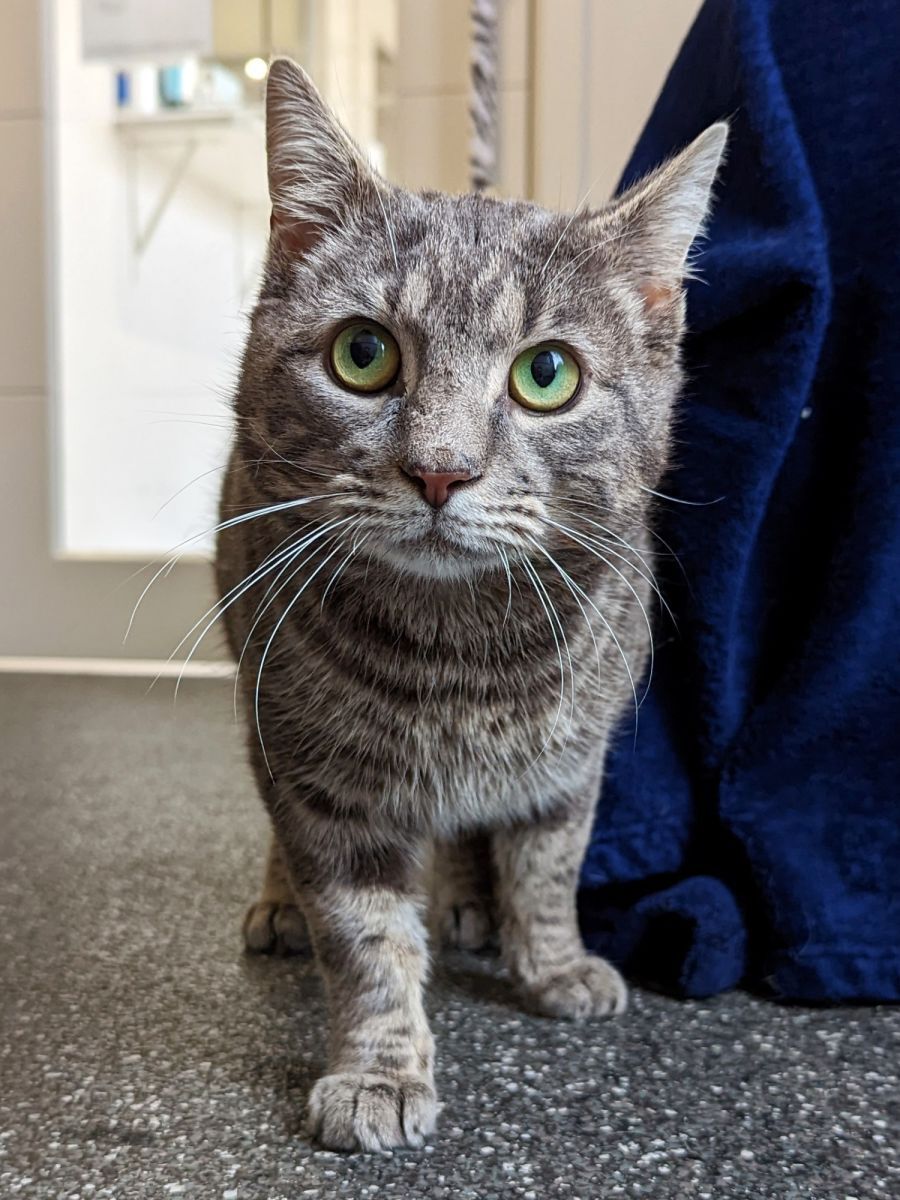
Pete, Baw Baw Shire Council
Council animal management facilities
Council animal management facilities, often called pounds, are the holding facilities councils use to house animals in their care: pets found wandering, seized by rangers, or brought in by members of the public.
At a basic level, these facilities hold animals until they're reclaimed by their guardian, placed with a rescue group, or, in the absence of either, killed. In many cases, councils rely entirely on volunteer-run rescue organisations to provide live outcomes for the pets they are responsible for.
Progressive councils operate their own shelters, running rehoming programs, foster networks, and on-site animal management services directly integrated with animal welfare services. Processes for reclaiming a pet, rehoming enquiries, and relinquishment vary by council, so it's worth checking your council's website or calling ahead before you visit.
A note on the word "pound": pets are not lost property. They are living beings who, when they come into contact with council services, need shelter, care, and someone to help them find their way home. At PetRescue, we don't use the term "pound" because we don't want to normalise facilities that hold pets without a clear pathway to a live outcome. Every community deserves to know their pets are safe, respected, and cared for if they ever need council services, and that getting home doesn't depend on luck alone.
Our best advice
Your next companion could be waiting in any one of these organisations. What matters most is finding the right match for your household, your lifestyle, and the pet's needs.
Also, take a look at our article What to look for in a rescue organisation: Key standards and practices for pet adoptions to find out more about how to pick the right group for you.
Ready to welcome a new furry family member? Search your search here!
Banner image: Mabel, Mornington Peninsula Community Animal Shelter


